A portfolio project by Garo VartabedianHow it's built
Scripture · History · Witness
Jesus Christ.
Read his words. Compare the texts. Follow the witnesses. An open research library where one passage can lead you into a whole world.
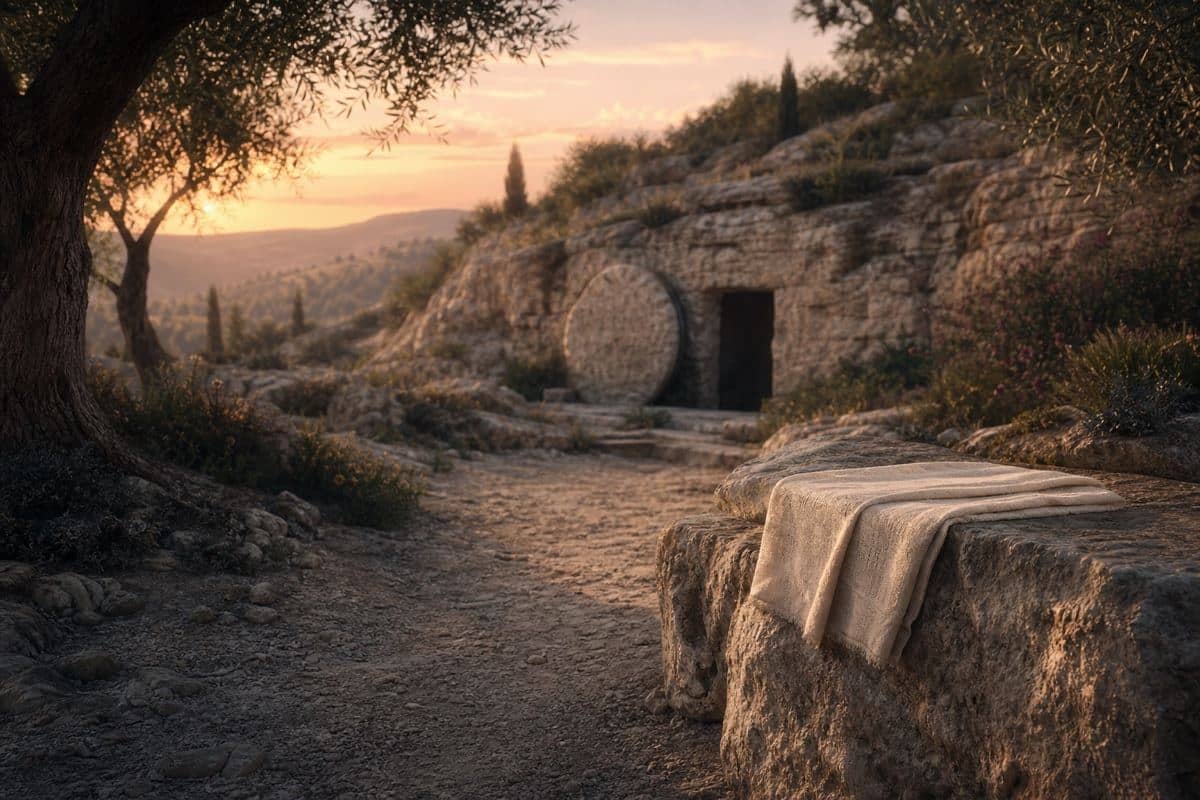
Try the research tools Explore the whole recordLit by the sun over Jerusalem.

THE LIVING CODEX
Follow your curiosity.
Compare a word. Question an argument. Go back to the source.
The research is also the demonstration: named editions, explicit connections, and source notes you can inspect.
One passage. Five witnesses.
Read a named Hebrew or Greek edition beside four English translations.
Edition-aware loaders align hosted text, with morphology and passage-specific Psalm numbering.
Compare the text02 · THE CATENAWho read it before you?
Follow selected biblical passages into the writings of the early church.
A curated reception index separates hosted excerpts, source references, and editorial notes.
Trace early readers03 · THE DISPUTATIONSLet the voices disagree.
Set Job beside Proverbs, or Paul beside James. Examine the argument.
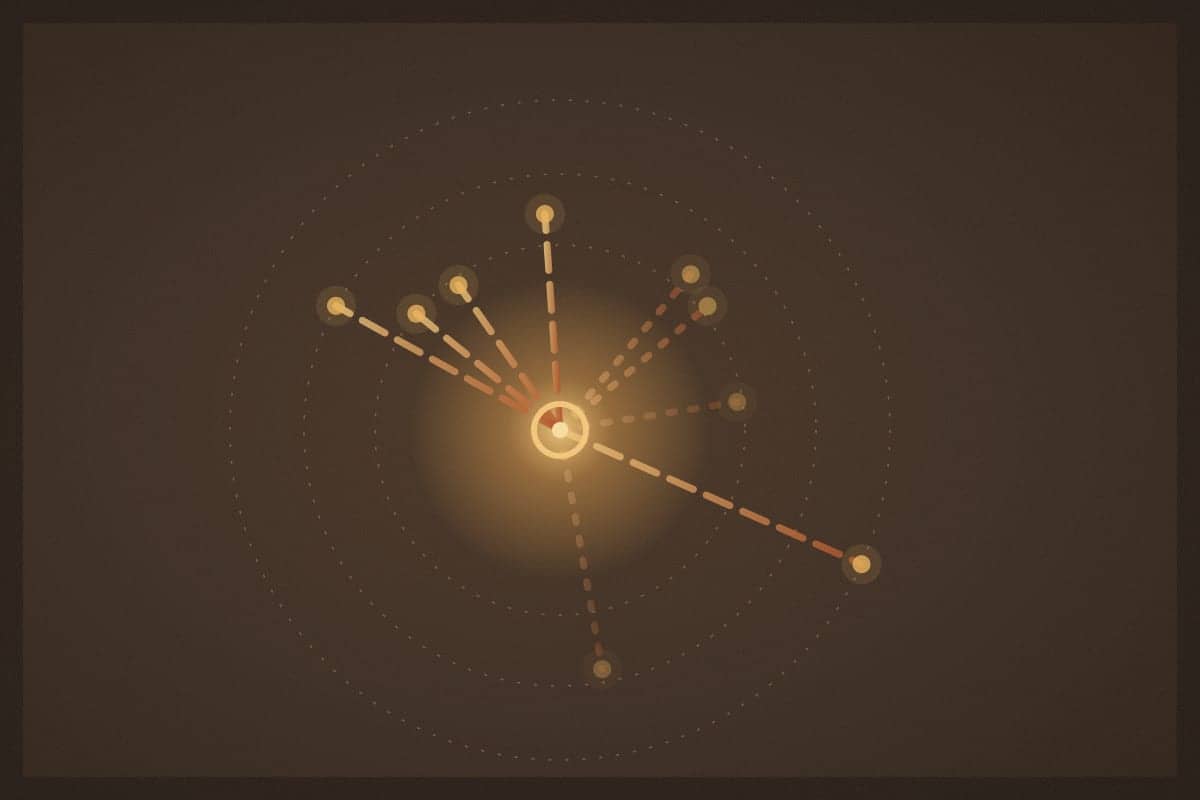
Structured positions connect arguments, passages, and editorial synthesis in exportable debate dossiers.
Open a debate04 · THE RESEARCH DESKTake the sources with you.
Gather a research worksheet with source notes and prompts for NotebookLM.
A Markdown compiler gathers hosted editions and reception notes into a portable research worksheet.
Prepare a dossierBuilt by Garo Vartabedian. Explore the research, then inspect the engineering behind it. Explore the case study →
The whole record.
- Jesus ChristHis words, his life on the map, prophecy and fulfillment, the record in ink and stone.
- ScripturesHosted public-domain Scripture across five traditions, with cross-references, topics, and exact-word search.
- The ApostlesThe twelve he chose — who each man was, where his road went, and what it cost him.
- The WritingsEverything the early church read outside the canon — the texts whole, grouped by era, their stories drawn.
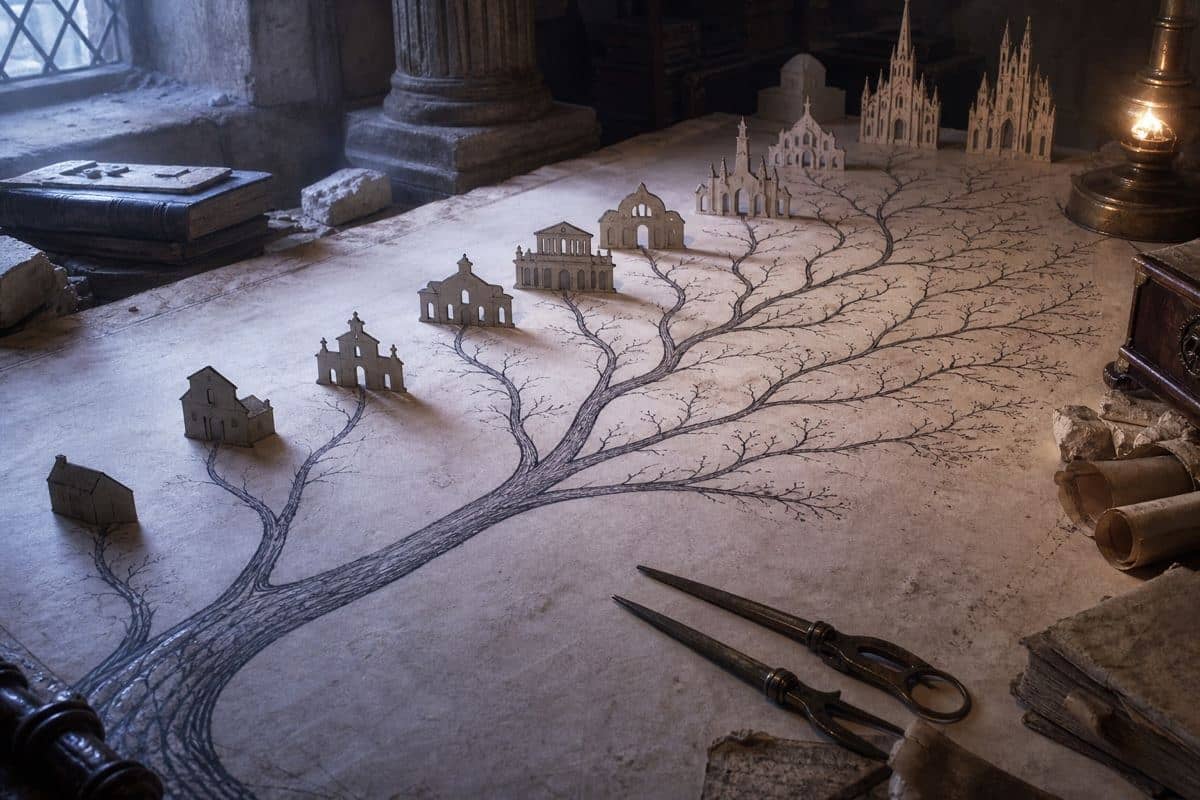
- The ChurchFrom the upper room to today — every step, every fork, and who held the power.
- Who Owns the Word?Modern translations are owned. The facts, the fences, and the ones given free.
- Angels & DemonsThe unseen order, the fall traced text by text, and collected encounters with angels and demons.
- How We KnowFollow a claim from source to observation, inference, interpretation, and limit.