Sources & method
Source basis: Scripture refs resolve into the hosted reader; every mission and death claim names its earliest source and wears a grade — scripture, early source, or later tradition. Sources
Browse this section
The Apostles · Witnesses of Jesus
Called. Changed. Sent.
They walked with Jesus. Their questions and failures remain on the page. Their witness carries the story onward.
Three encounters
Peter · The shore
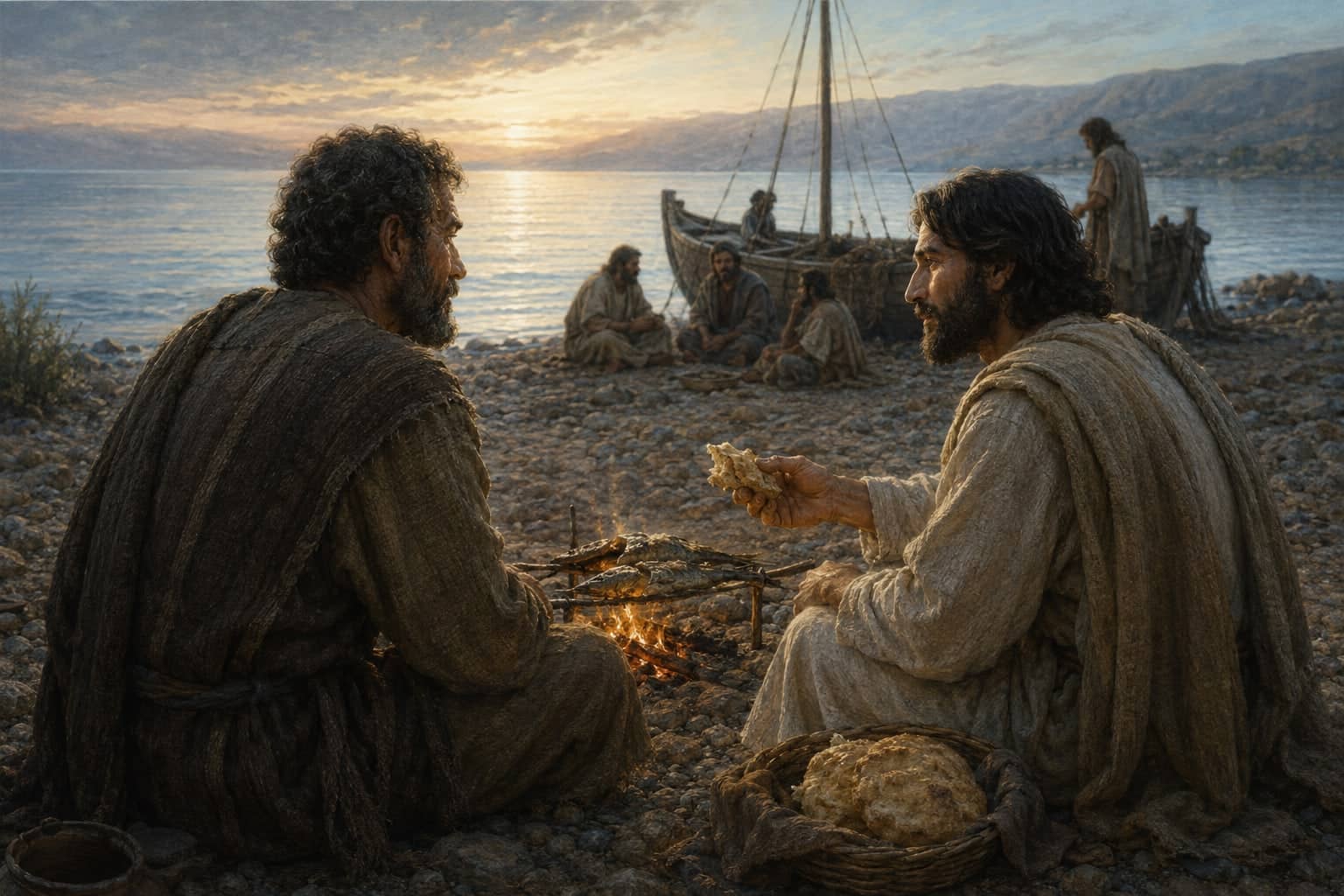
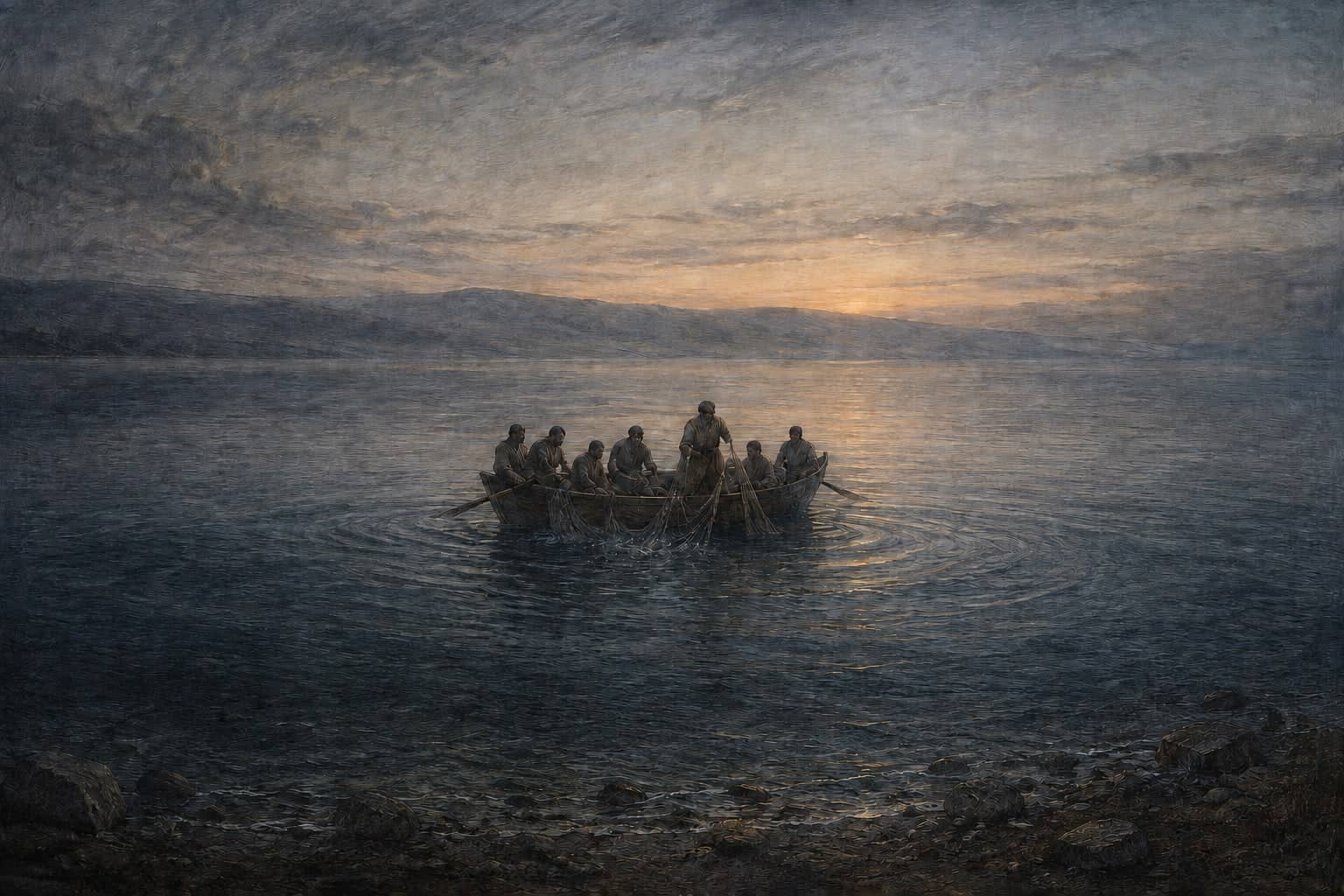
Come and eat.
John 21:1–19
An empty night. A fire on the shore. A calling spoken again.
Peter
Thomas · The room
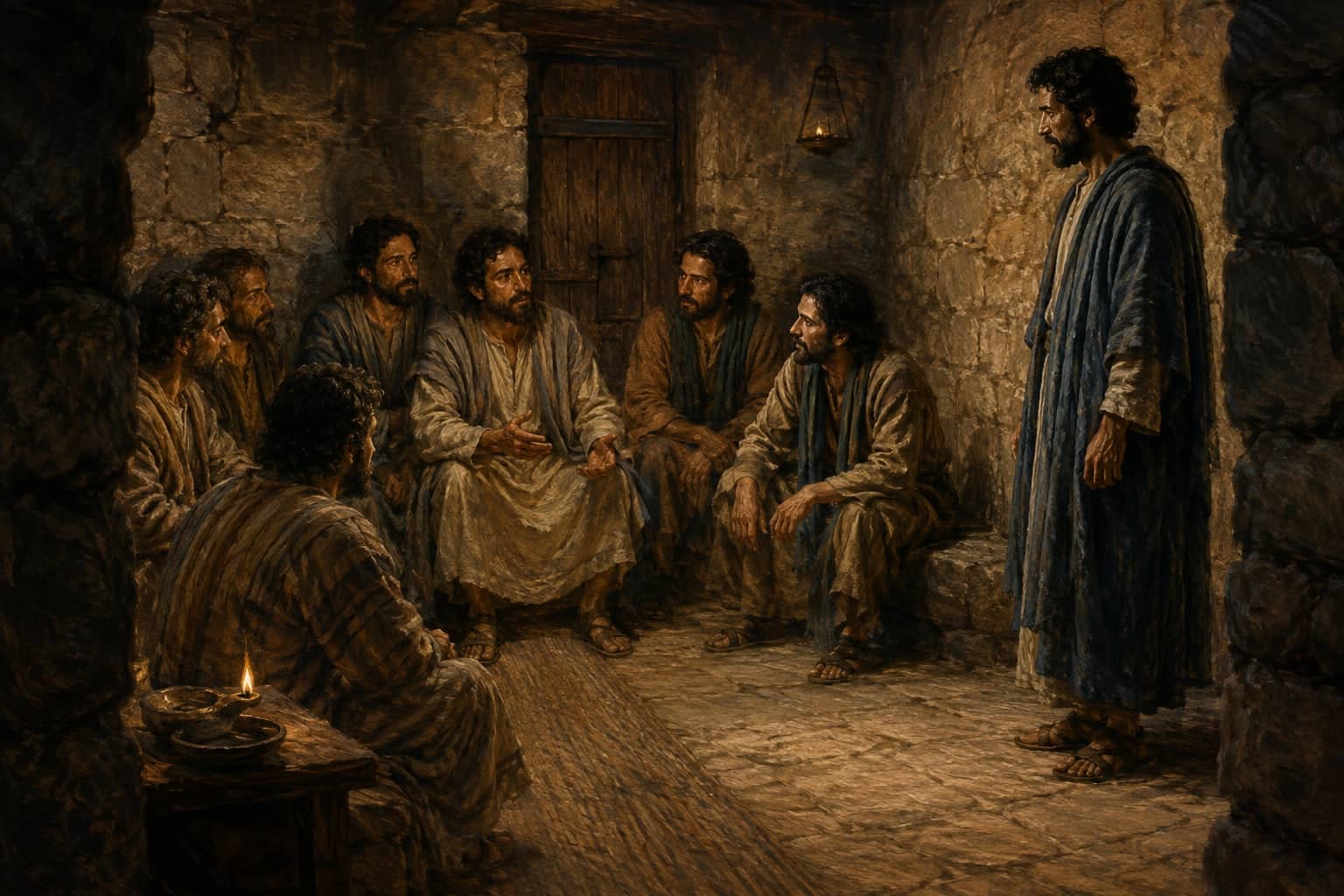
Peace be with you.
John 20:24–29
The others have seen him. Thomas has not. Eight days later, Jesus speaks.
Thomas
Pentecost · The gathering
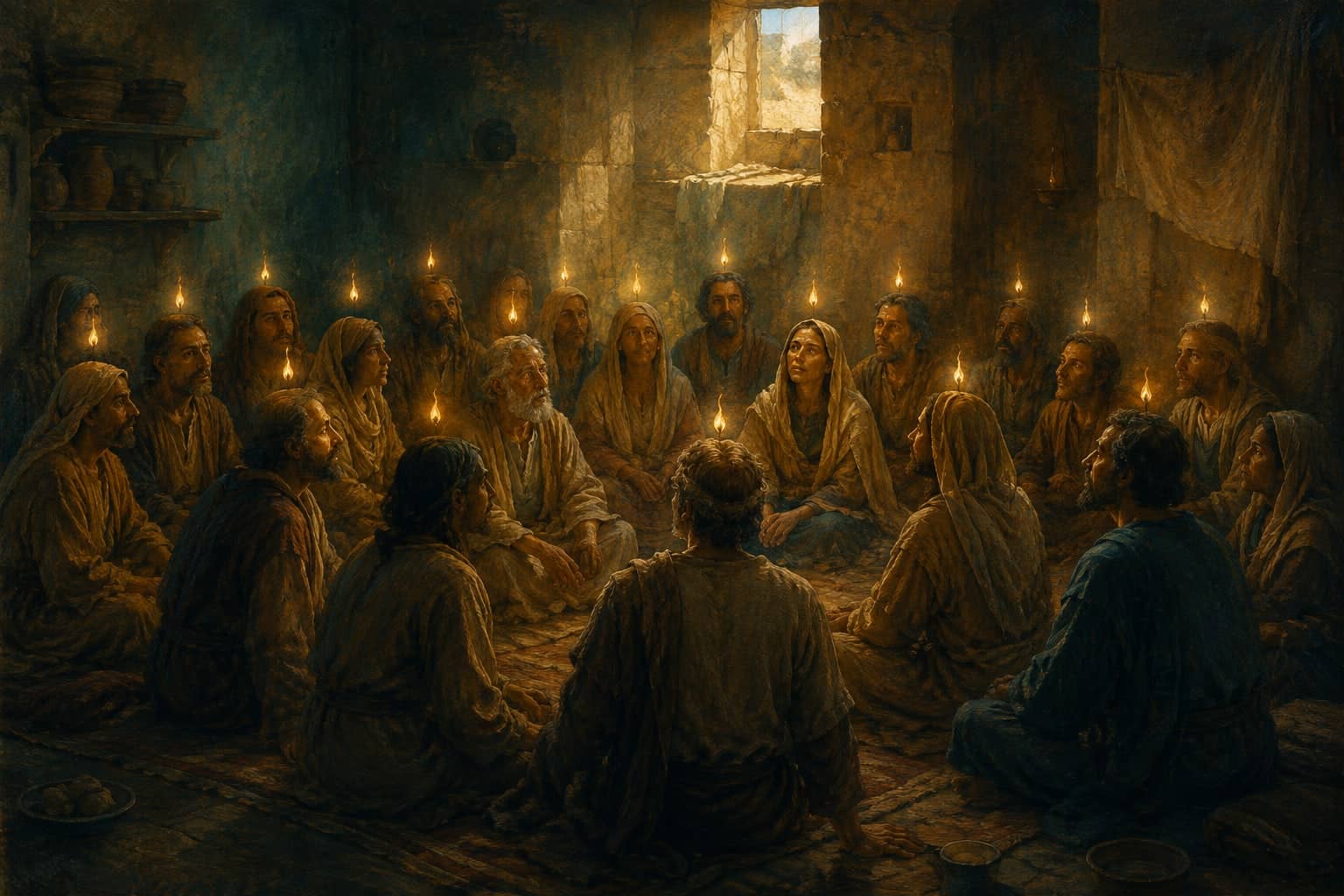
In our own languages.
Acts 2:1–13
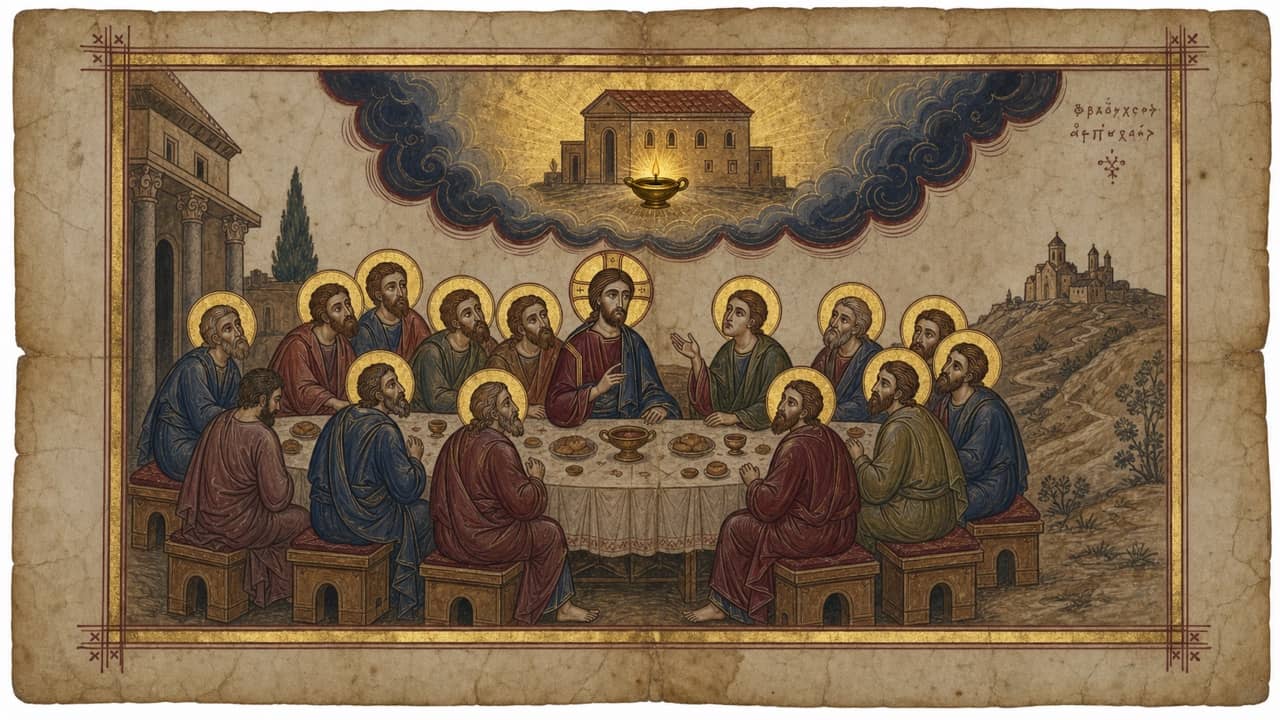
One gathered community. A sound like wind. Many hearers, hearing home.
The gathered community
Meet the apostles
Thirteen records: the Twelve and Matthias, who fills Judas’s seat.
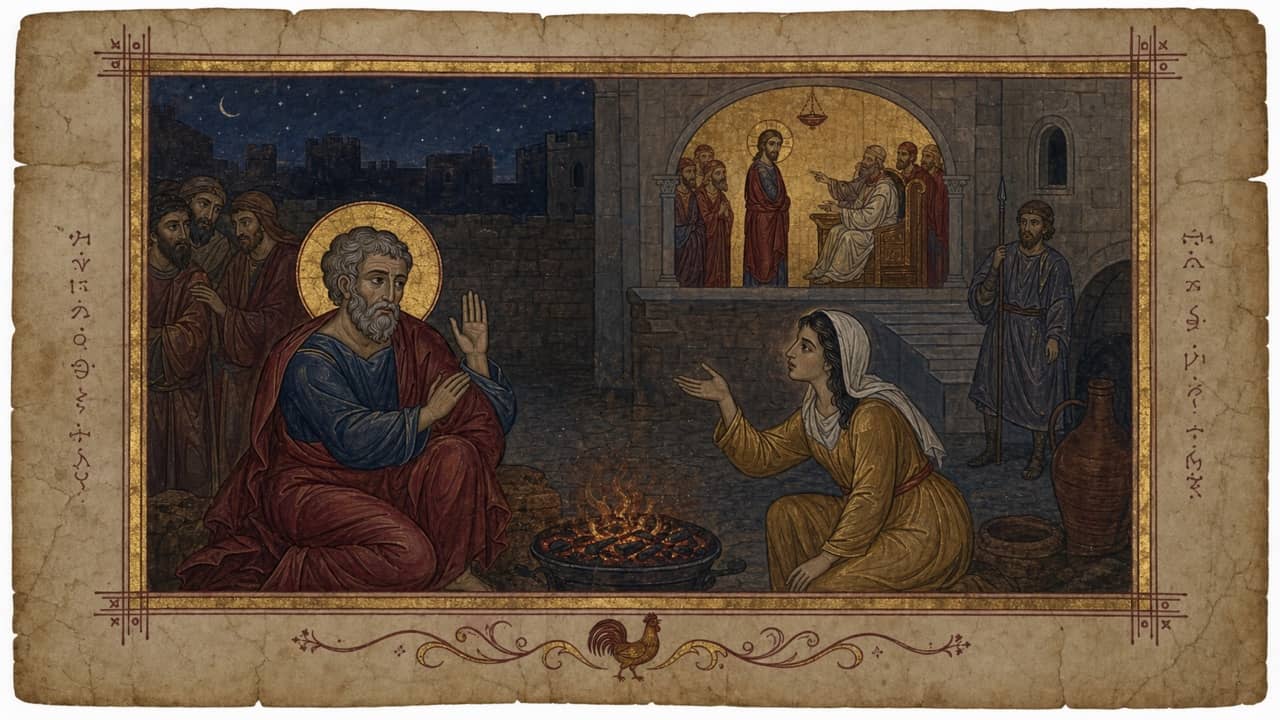 PeterSimon bar-Jonah · CephasSeat 1
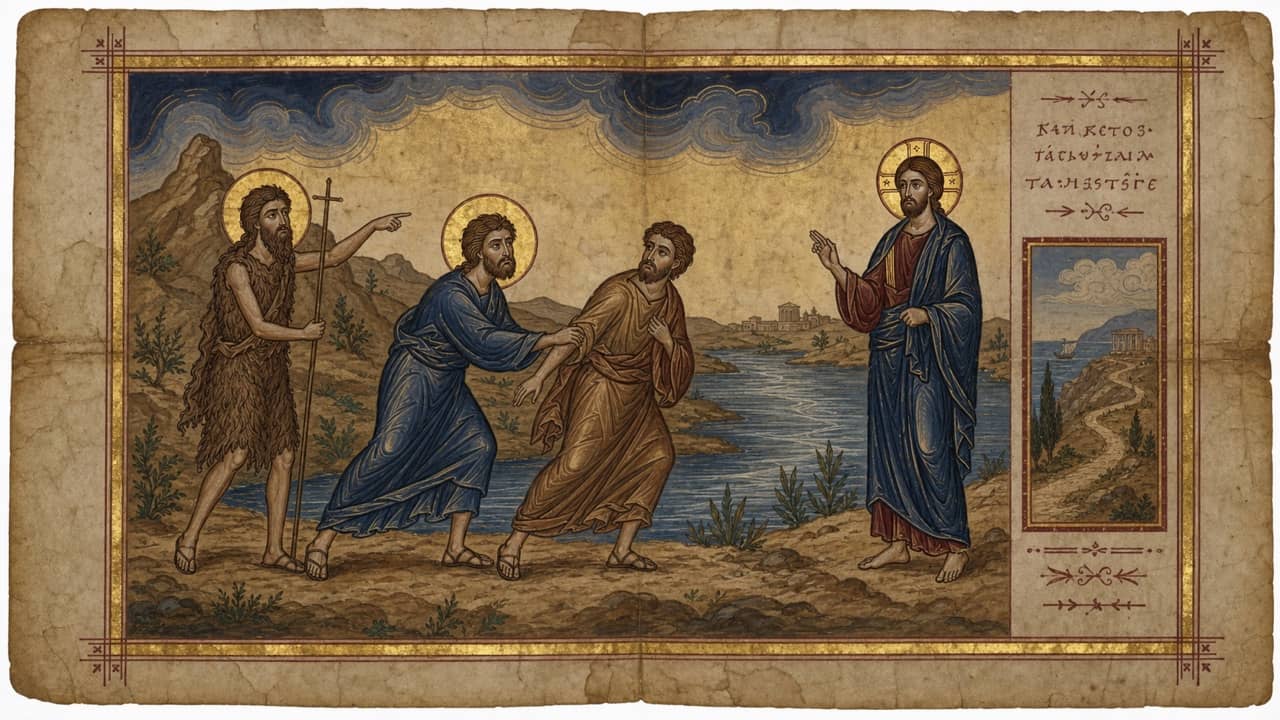 AndrewBrother of Simon PeterSeat 2
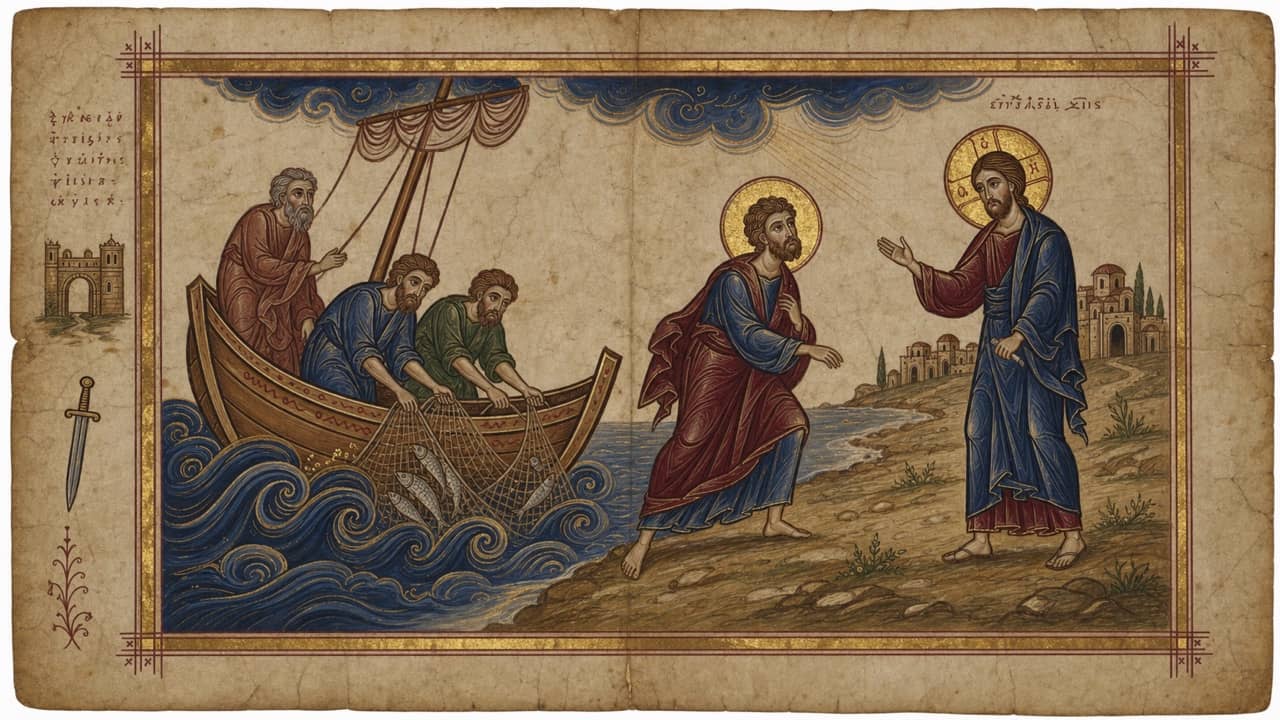 James of ZebedeeSon of Zebedee · BoanergesSeat 3
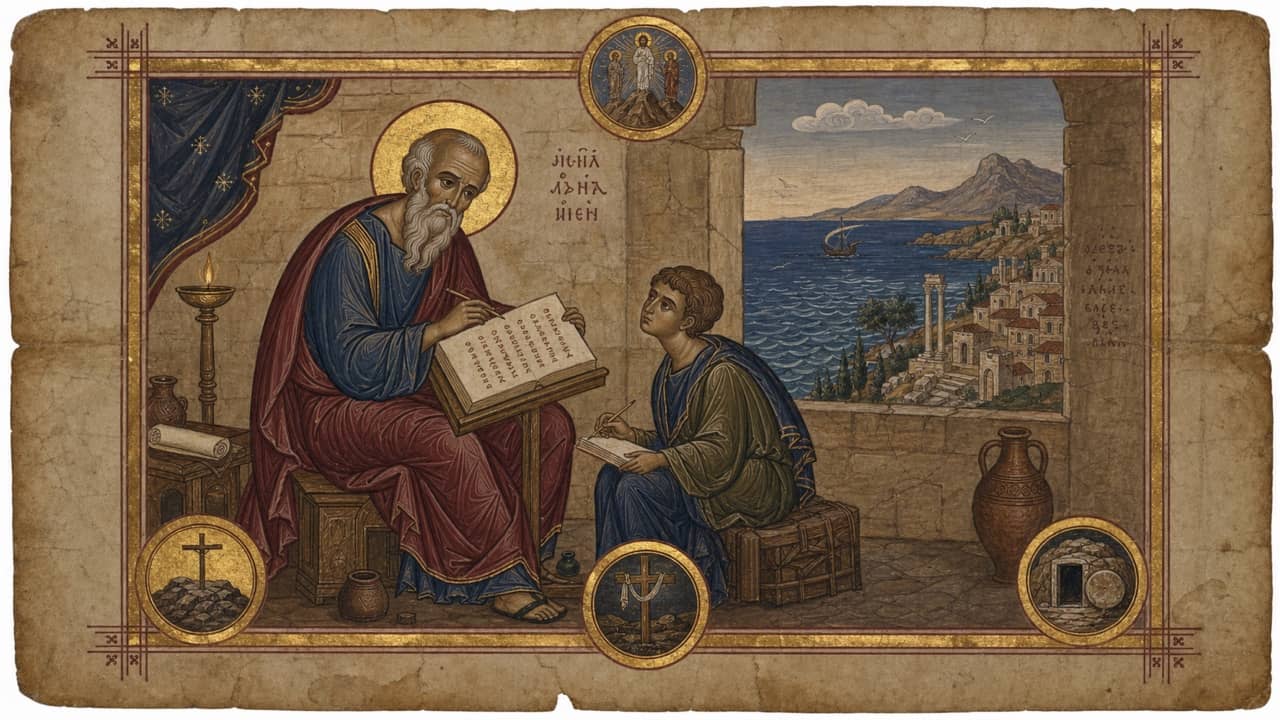 JohnSon of Zebedee · BoanergesSeat 4
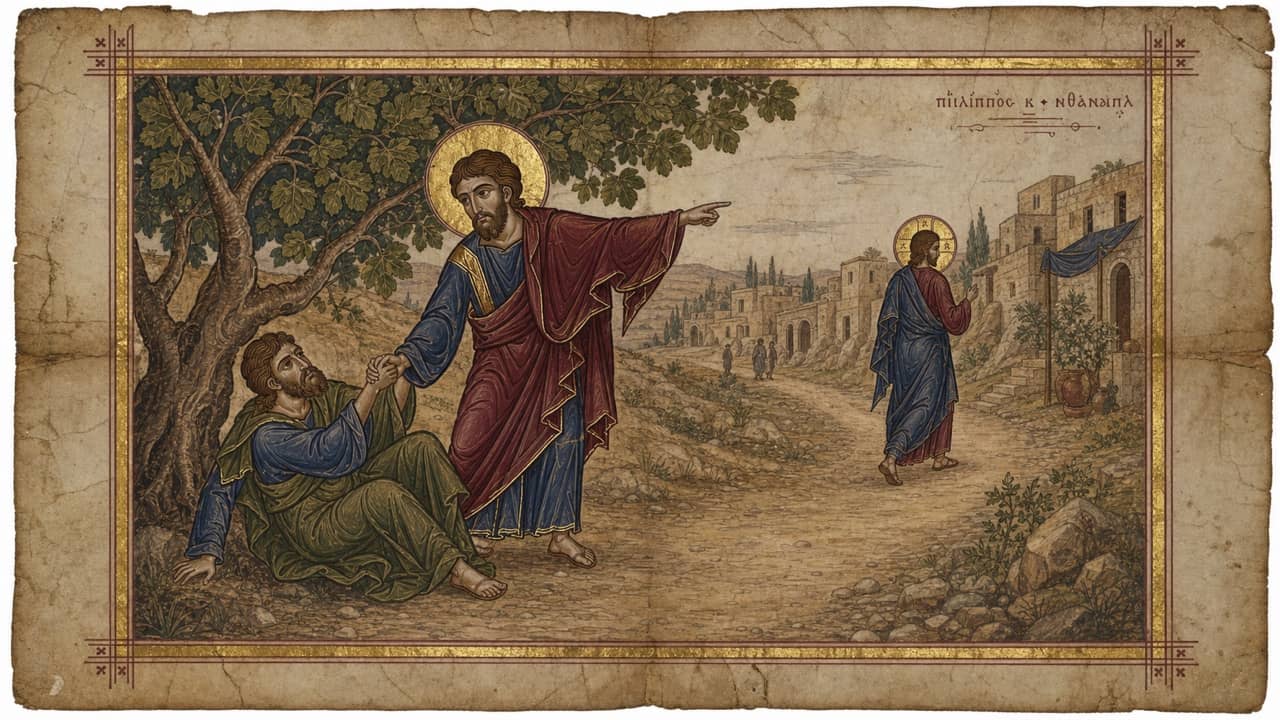 PhilipOf BethsaidaSeat 5
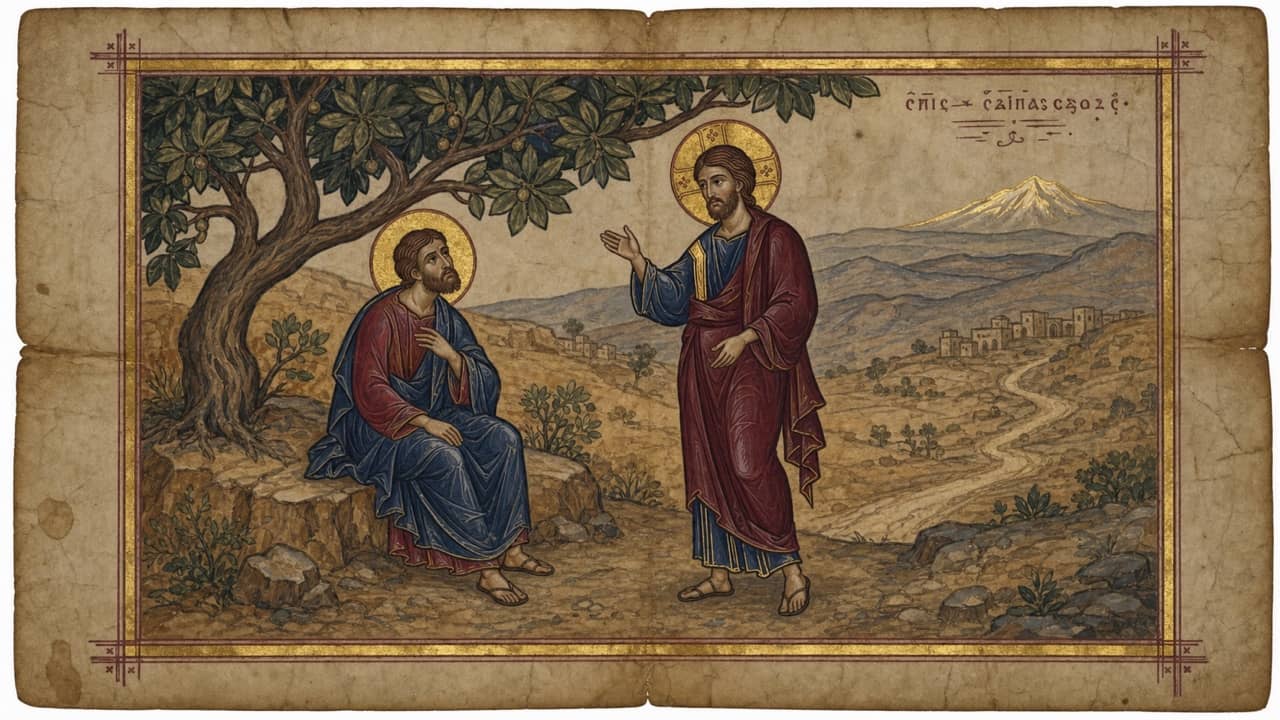 BartholomewBar-Talmai · traditionally Nathanael of CanaSeat 6
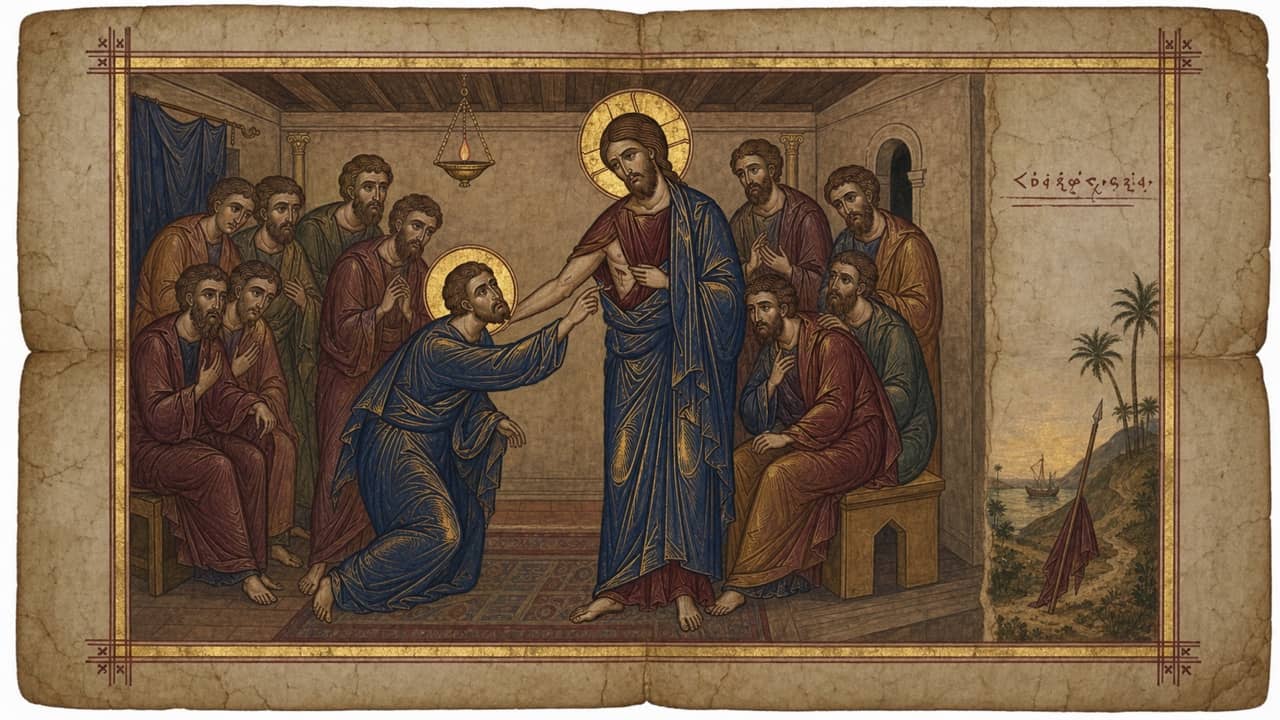 ThomasToma · Didymus — both mean twinSeat 7
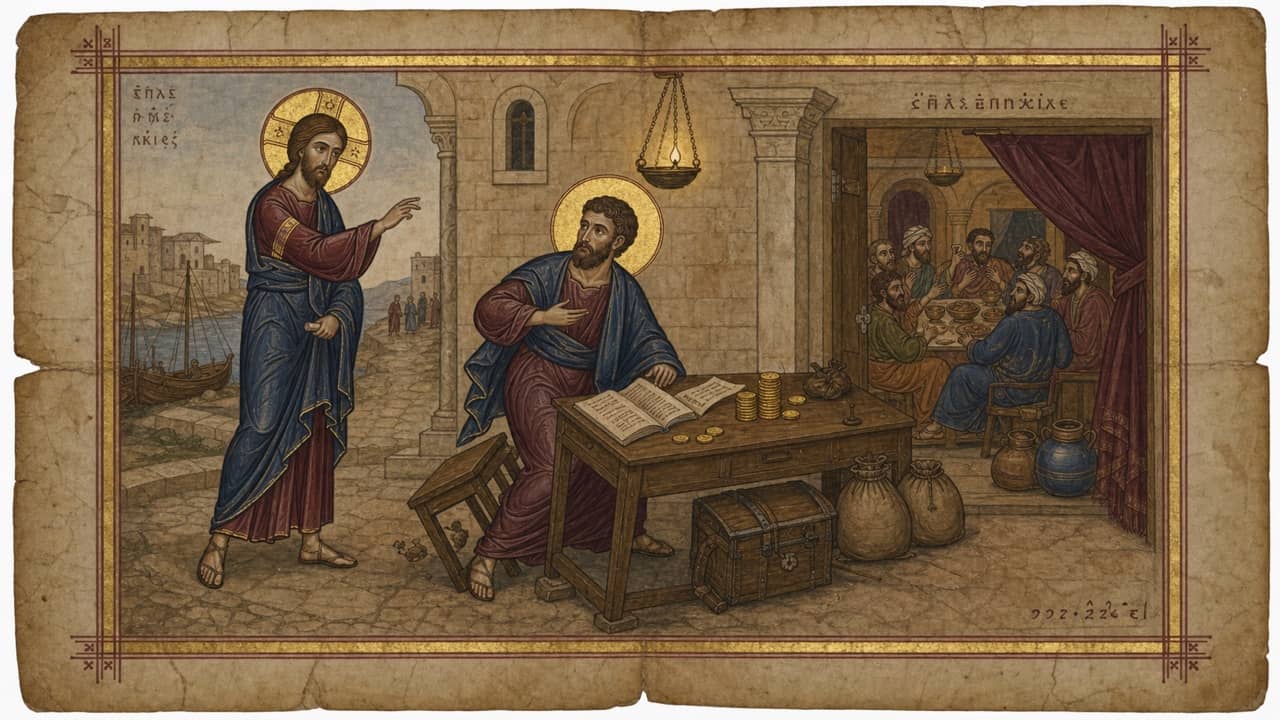 MatthewTraditionally Levi, son of Alphaeus (Mark 2:14)Seat 8
 James of AlphaeusPossibly 'James the less'Seat 9
 ThaddaeusJudas of James · 'Judas, not Iscariot'Seat 10
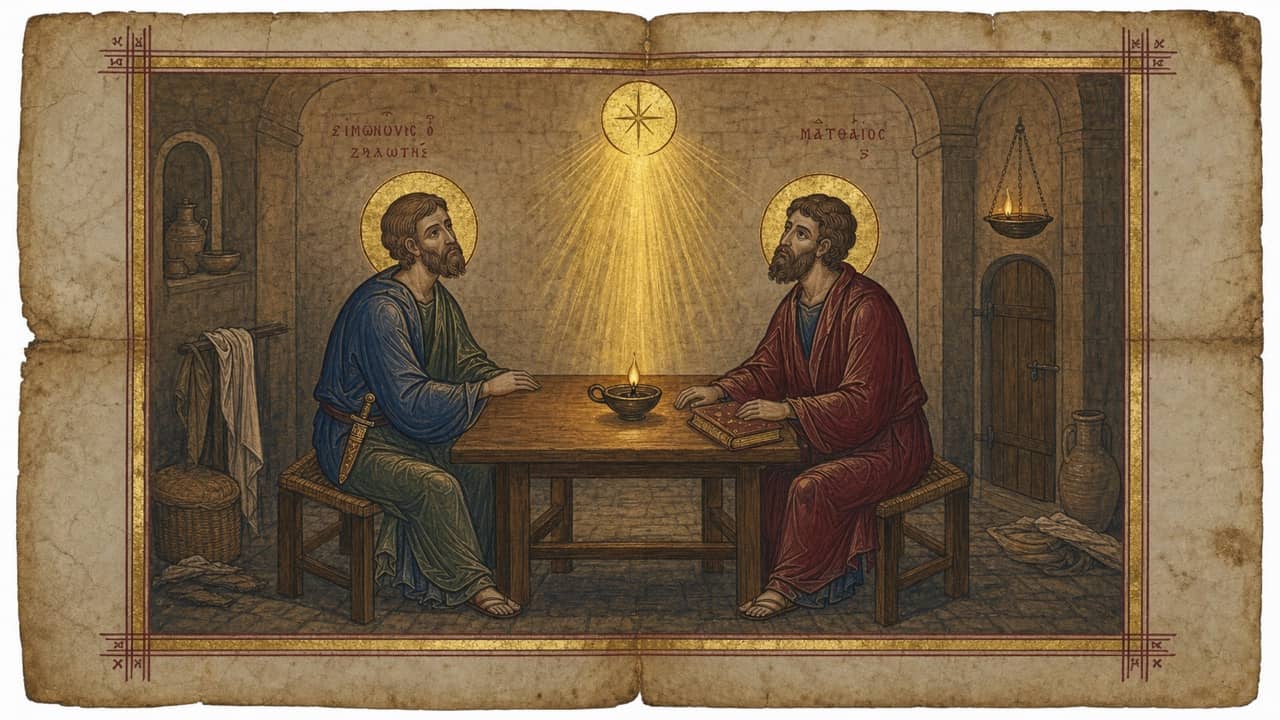 Simon the ZealotThe Cananaean — Aramaic qan'ana, zealous oneSeat 11
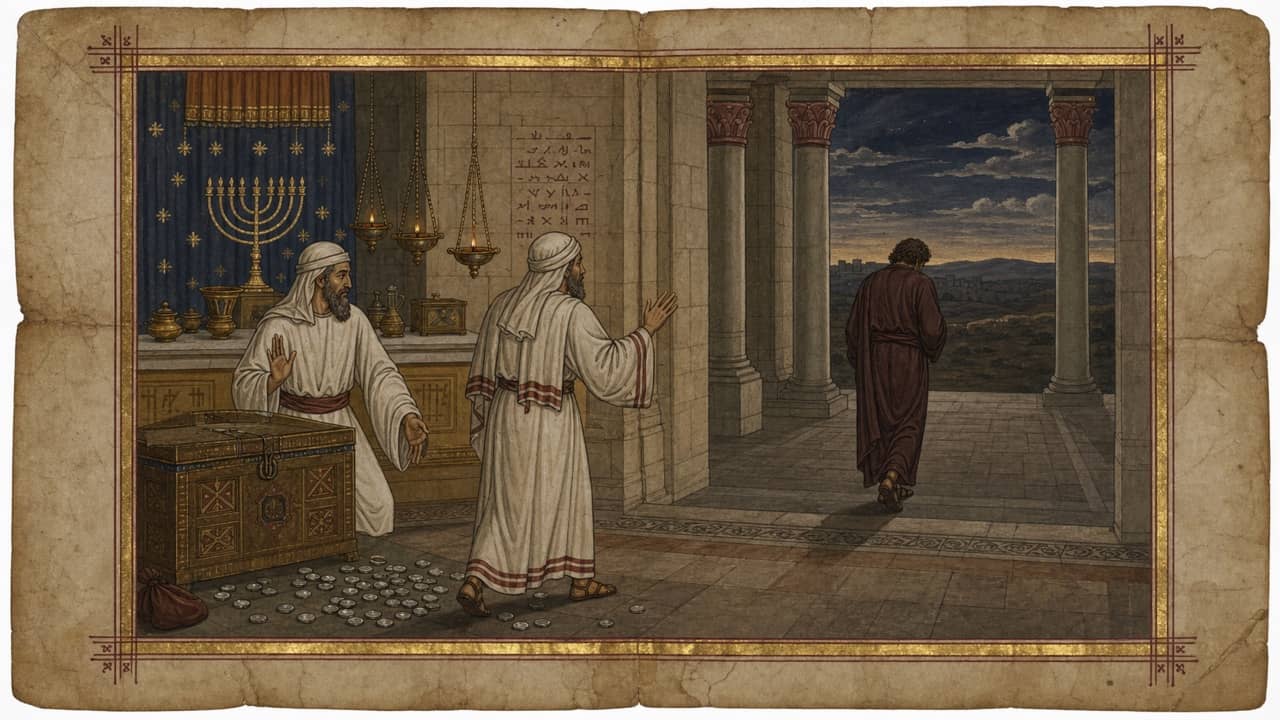 Judas IscariotMan of Kerioth, on the probable readingSeat 12
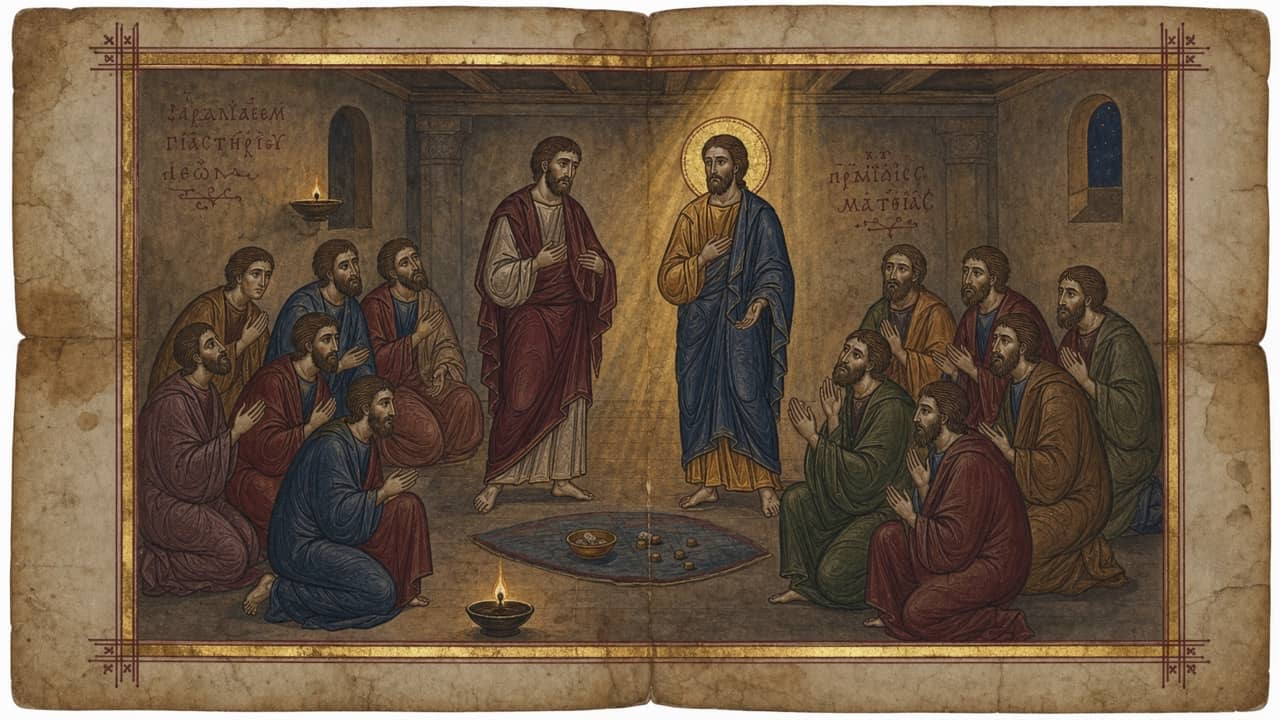 MatthiasThe thirteenth man in the twelfth seatSeat 12
Paul is kept separately. Meet Paul in the records.
Follow the sending
10 roads drawn only as far as the evidence reaches — then the source records, kept whole.
“Now when they saw the boldness of Peter and John, and had perceived that they were unlearned and ignorant men, they marveled. They recognized that they had been with Jesus.”The Sanhedrin's own verdict on the movement's leaders: no schooling, no standing — only the company they had kept. That is the standard this room applies. The credential was never the man.
The four roll-calls
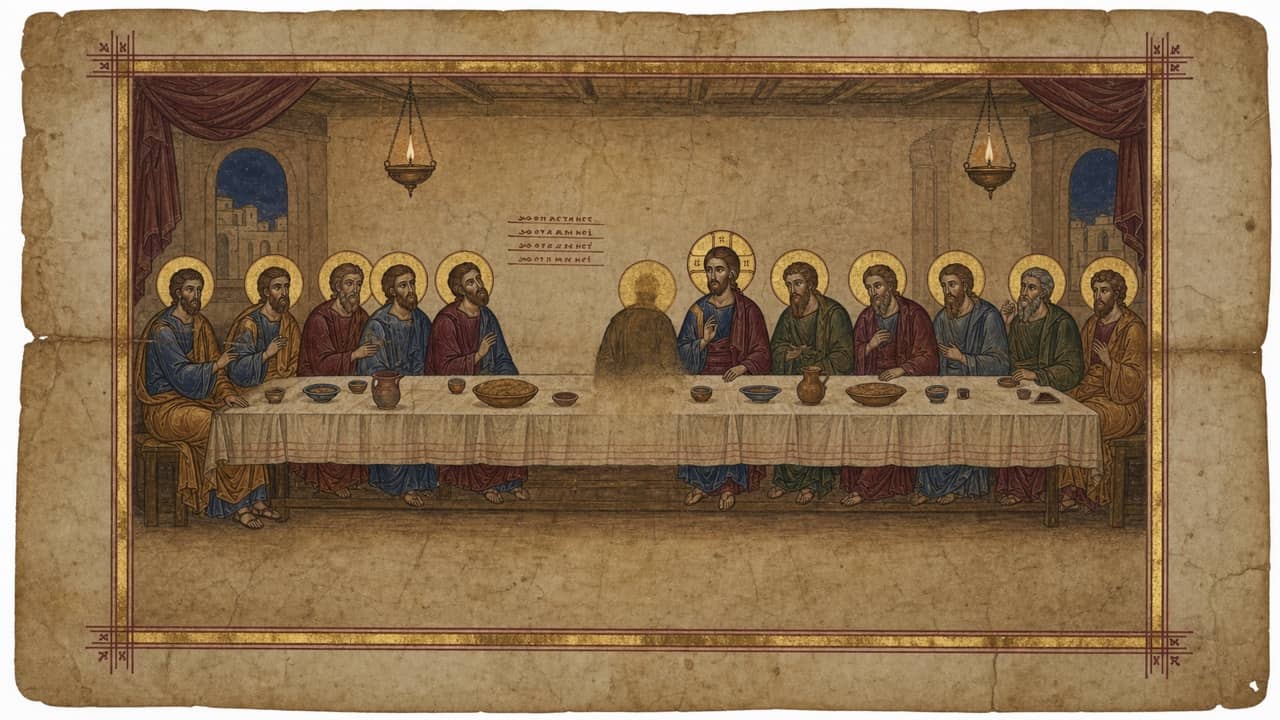
Four roll-calls survive, and no two agree on the order. But the structure never moves: three groups of four (Acts's last group missing its twelfth), with the same three names leading them — Peter always first, Philip always fifth, James of Alphaeus always ninth — and Judas Iscariot always last, until he is gone. The name-swaps inside the lists (Thaddaeus / Judas of James, Cananaean / Zealot) are the same men wearing different labels — the hosted text renders Cananaean as Zealot, so the citation links read Zealot in all four — and the records below say so where it matters.
- Matthew 10:2–4Pairs them two by two; keeps the tax-office label.
- Simon Peter
- Andrew
- James of Zebedee
- John
- Philip
- Bartholomew
- Thomas
- Matthew the tax collector
- James of Alphaeus
- Thaddaeus
- Simon the Cananaean
- Judas Iscariot
- Mark 3:16–19The earliest gospel's roll; adds the nicknames Jesus gave.
- Simon Peter
- James of Zebedee
- John
- Andrew
- Philip
- Bartholomew
- Matthew
- Thomas
- James of Alphaeus
- Thaddaeus
- Simon the Cananaean
- Judas Iscariot
- Luke 6:14–16Calls Simon a Zealot and Thaddaeus a Judas.
- Simon Peter
- Andrew
- James of Zebedee
- John
- Philip
- Bartholomew
- Matthew
- Thomas
- James of Alphaeus
- Simon the Zealot
- Judas of James
- Judas Iscariot
- Acts 1:13After the betrayal: eleven names and an empty seat.
- Peter
- John
- James of Zebedee
- Andrew
- Philip
- Thomas
- Bartholomew
- Matthew
- James of Alphaeus
- Simon the Zealot
- Judas of James
- — the empty seat —
The shape of the band
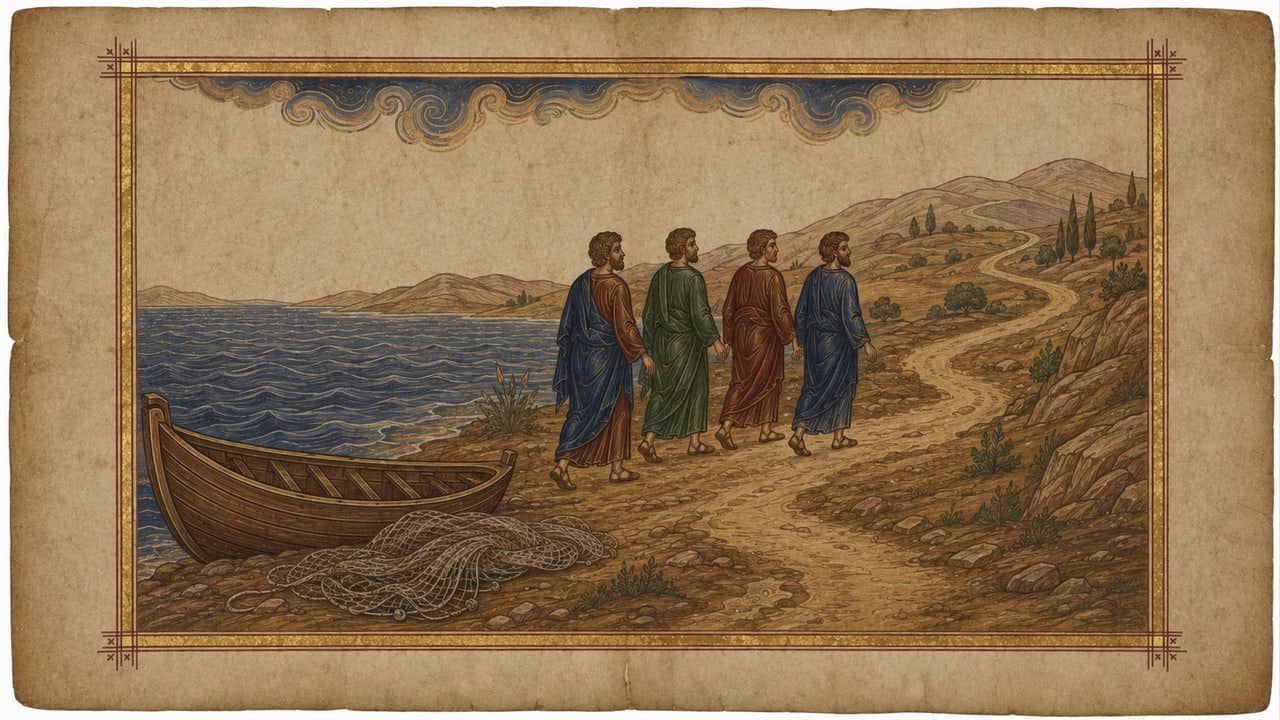
- Four fishermenPeter, Andrew, James, John — two pairs of brothers, called from their nets.
- A tax collector and a zealotMatthew is called from a tax booth. Simon is named the Zealot. Their names appear in the same apostolic lists; those lists do not explain Simon’s earlier political commitments.
- Different voices, uneven recordsPhilip, Bartholomew, Thomas, James of Alphaeus, Thaddaeus — their records vary greatly in length. Thomas’s includes “my Lord and my God.”
- One traitor, one replacementJudas ends at a field called Blood; Matthias fills the seat; Acts does not narrate his later work. Both records are kept whole.
And Paul? Not one of the twelve, and the first to say so — 'last of all, as to one born at the wrong time, he appeared also to me.' He never sat in these seats: the twelve were constituted witnesses of the whole road from the Jordan to the empty tomb, and Paul's apostleship ran on a different warrant, straight from the Damascus road. His trail — half the New Testament and most of the map — runs through the church world.