The Fragment of Quadratus
Reading appearance
Accessibility options
Saved in this browser and shared between texts. Labels and line patterns remain in every theme.
About this reading layout
Source wording, punctuation, paragraph boundaries and supplied line breaks are retained. Long prose also has editorial reading breaks at sentence boundaries. Substantial passages already enclosed in double quotation marks are set apart; this does not identify their source or establish a connection.
These added breaks are reading aids, not claims about the original manuscript’s layout. Poetry is lineated only where the downloaded text supplies line breaks. References and edition notes remain with their text.
About this writing, artwork and sources
The oldest Christian apology known to us, addressed to the emperor Hadrian around AD 124. The work itself is lost. This single sentence survives because , reading it two centuries later, thought it worth quoting — and it makes a striking claim: some of the people Jesus healed and raised were still alive to be questioned.
c. AD 124–125 · translation: Arthur Cushman McGiffert, Nicene and Post-Nicene Fathers, Series II, Vol. I (1890) · source
Dotted terms open a short explanation right here — tap to read, tap again to close.
Arthur Cushman McGiffert, Nicene and Post-Nicene Fathers, Series II, Vol. I (1890) · Source edition
From his Apology to the Emperor Hadrian, preserved by Eusebius (Church History, IV.3)
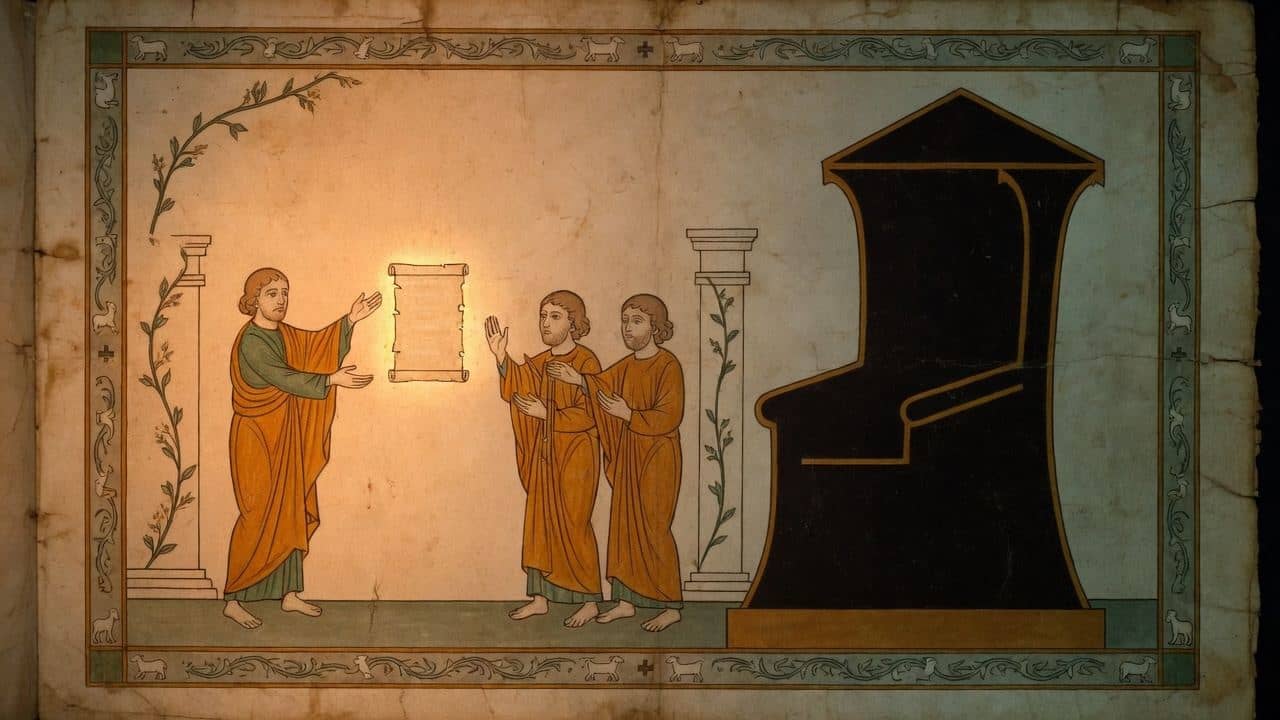
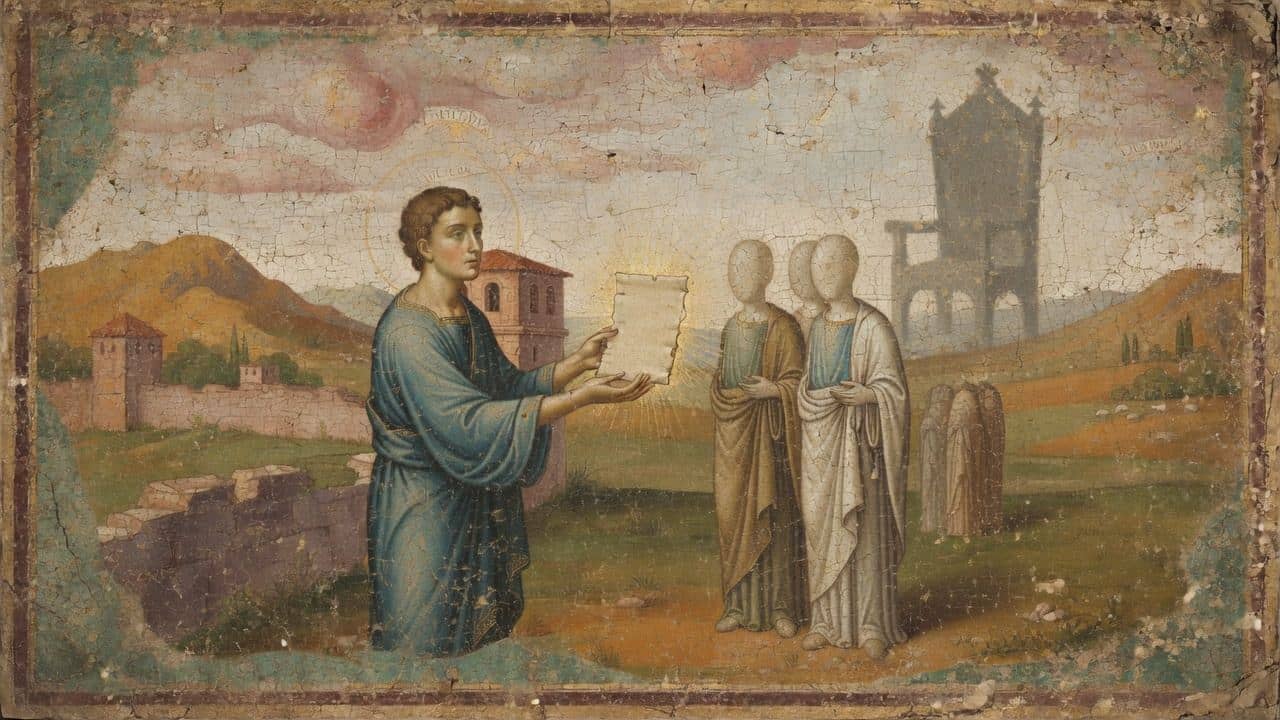
But the works of our Saviour were always present, for they were genuine:—those that were healed, and those that were raised from the dead, who were seen not only when they were healed and when they were raised, but were also always present; and not merely while the Saviour was on earth, but also after his death, they were alive for quite a while, so that some of them lived even to our day.