The Epistle of Ignatius to the Magnesians
Reading appearance
Accessibility options
Saved in this browser and shared between texts. Labels and line patterns remain in every theme.
About this reading layout
Source wording, punctuation, paragraph boundaries and supplied line breaks are retained. Long prose also has editorial reading breaks at sentence boundaries. Substantial passages already enclosed in double quotation marks are set apart; this does not identify their source or establish a connection.
These added breaks are reading aids, not claims about the original manuscript’s layout. Poetry is lineated only where the downloaded text supplies line breaks. References and edition notes remain with their text.
About this writing, artwork and sources
A letter written in Greek by , of , while under guard en route to in Rome, to the church at , urging unity under its young bishop and warning against holding to Jewish practices. It is given here in the shorter , the form generally accepted as authentic.
c. AD 105–115 · translation: Alexander Roberts and James Donaldson, Ante-Nicene Fathers Vol. I (1885) · source
Dotted terms open a short explanation right here — tap to read, tap again to close.
Alexander Roberts and James Donaldson, Ante-Nicene Fathers Vol. I (1885) · Source edition
The Epistle of Ignatius to the Magnesians
, who is also called Theophorus, to the [Church] blessed in the grace of God the Father, in Jesus Christ our Saviour, in whom I salute the Church which is at , near the Mæander, and wish it abundance of happiness in God the Father, and in Jesus Christ.
Chapter I.—Reason of writing the epistle.
Having been informed of your godly love, so well-ordered, I rejoiced greatly, and determined to commune with you in the faith of Jesus Christ. For as one who has been thought worthy of the most honourable of all names, in those bonds which I bear about, I commend the Churches, in which I pray for a union both of the flesh and spirit of Jesus Christ, the constant source of our life, and of faith and love, to which nothing is to be preferred, but especially of Jesus and the Father, in whom, if we endure all the assaults of the prince of this world, and escape them, we shall enjoy God.
Chapter II.—I rejoice in your messengers.
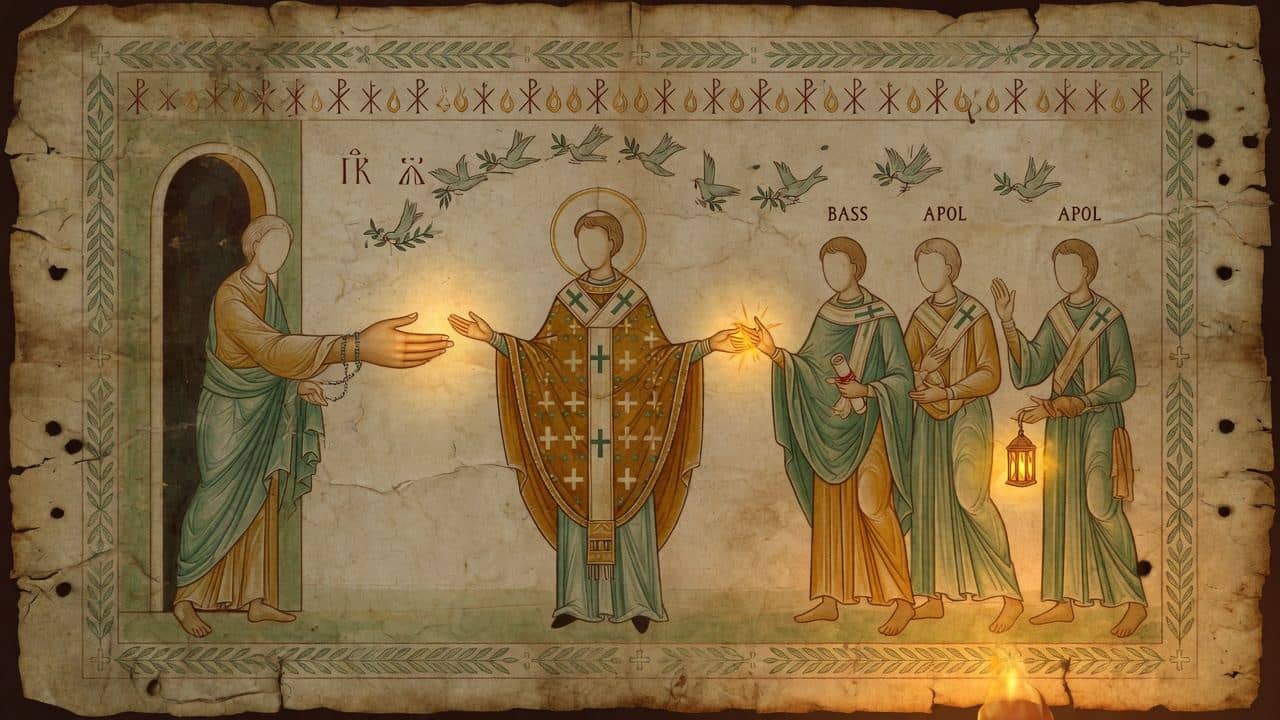
Since, then, I have had the privilege of seeing you, through Damas your most worthy , and through your worthy Bassus and Apollonius, and through my fellow-servant the Sotio, whose friendship may I ever enjoy, inasmuch as he is subject to the bishop as to the grace of God, and to the presbytery as to the law of Jesus Christ, [I now write to you].
Chapter III.—Honour your youthful bishop.
Now it becomes you also not to treat your too familiarly on account of his youth, but to yield him all reverence, having respect to the power of God the Father, as I have known even holy do, not judging rashly, from the manifest youthful appearance [of their bishop], but as being themselves prudent in God, submitting to him, or rather not to him, but to the Father of Jesus Christ, the bishop of us all. It is therefore fitting that you should, after no hypocritical fashion, obey [your bishop], in honour of Him who has willed us [so to do], since he that does not so deceives not [by such conduct] the bishop that is visible, but seeks to mock Him that is invisible. And all such conduct has reference not to man, but to God, who knows all secrets.
Chapter IV.—Some wickedly act independently of the bishop.
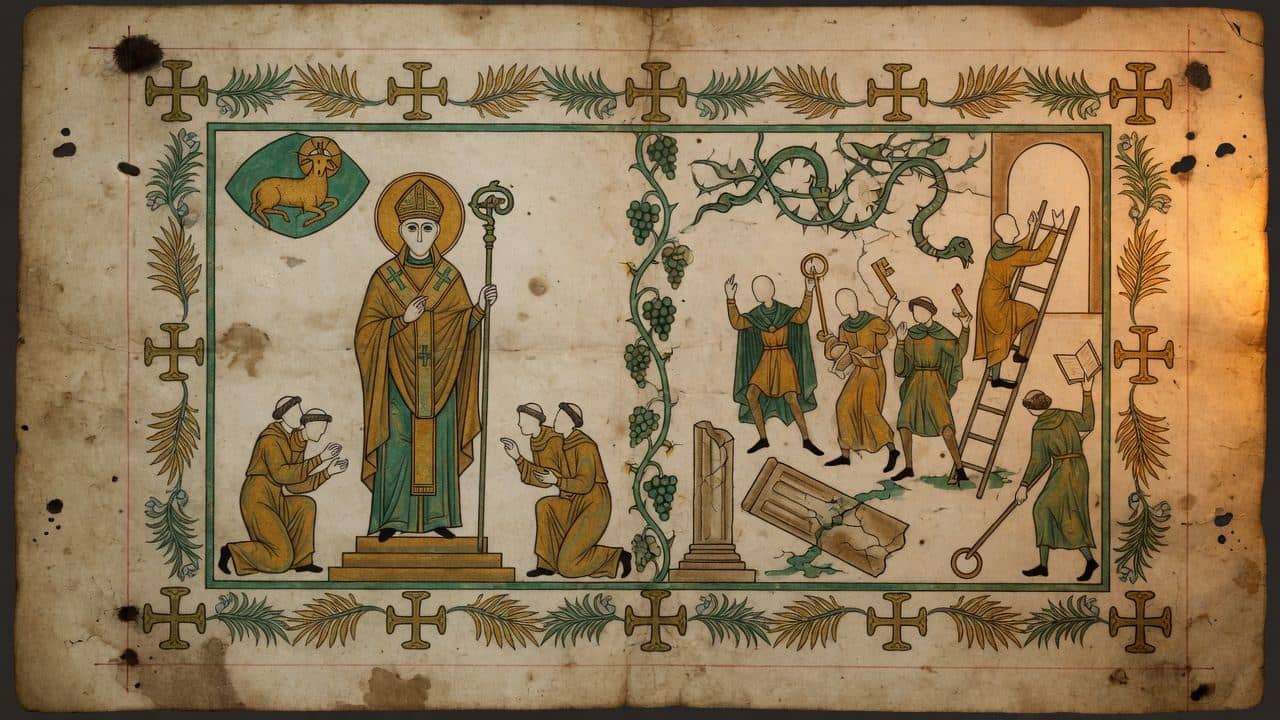
It is fitting, then, not only to be called Christians, but to be so in reality: as some indeed give one the title of , but do all things without him. Now such persons seem to me to be not possessed of a good conscience, seeing they are not stedfastly gathered together according to the commandment.
Chapter V.—Death is the fate of all such.
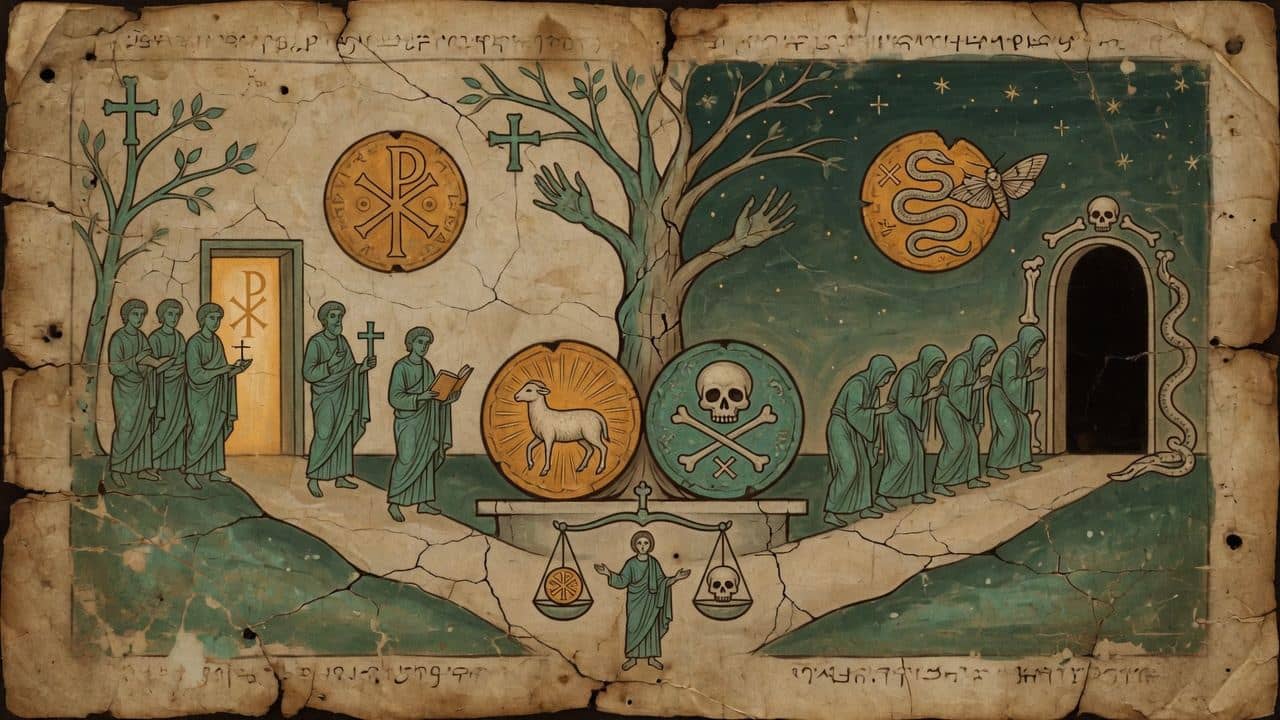
Seeing, then, all things have an end, these two things are simultaneously set before us—death and life; and every one shall go unto his own place. For as there are two kinds of coins, the one of God, the other of the world, and each of these has its special character stamped upon it, [so is it also here.] The unbelieving are of this world; but the believing have, in love, the character of God the Father by Jesus Christ, by whom, if we are not in readiness to die into His passion, His life is not in us.
Chapter VI.—Preserve harmony.
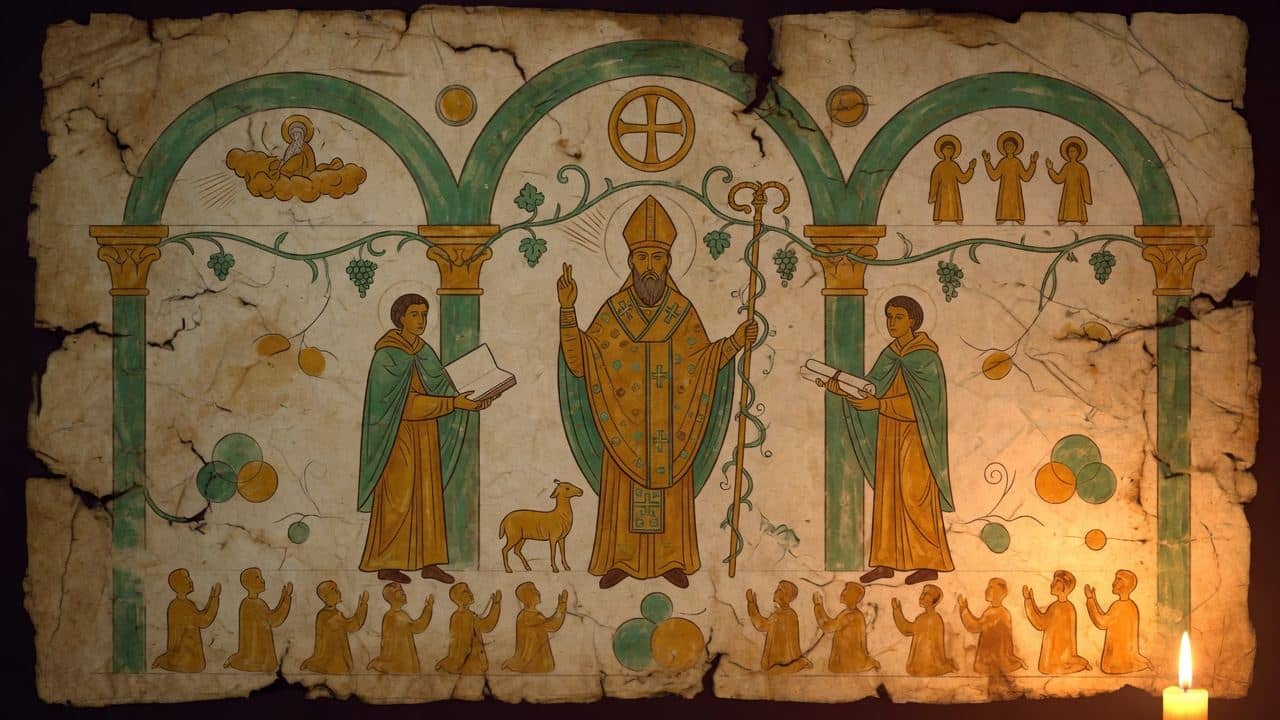
Since therefore I have, in the persons before mentioned, beheld the whole multitude of you in faith and love, I exhort you to study to do all things with a divine harmony, while your presides in the place of God, and your in the place of the assembly of the apostles, along with your , who are most dear to me, and are entrusted with the ministry of Jesus Christ, who was with the Father before the beginning of time, and in the end was revealed. Do ye all then, imitating the same divine conduct, pay respect to one another, and let no one look upon his neighbour after the flesh, but do ye continually love each other in Jesus Christ. Let nothing exist among you that may divide you; but be ye united with your bishop, and those that preside over you, as a type and evidence of your immortality.
Chapter VII.—Do nothing without the bishop and presbyters.
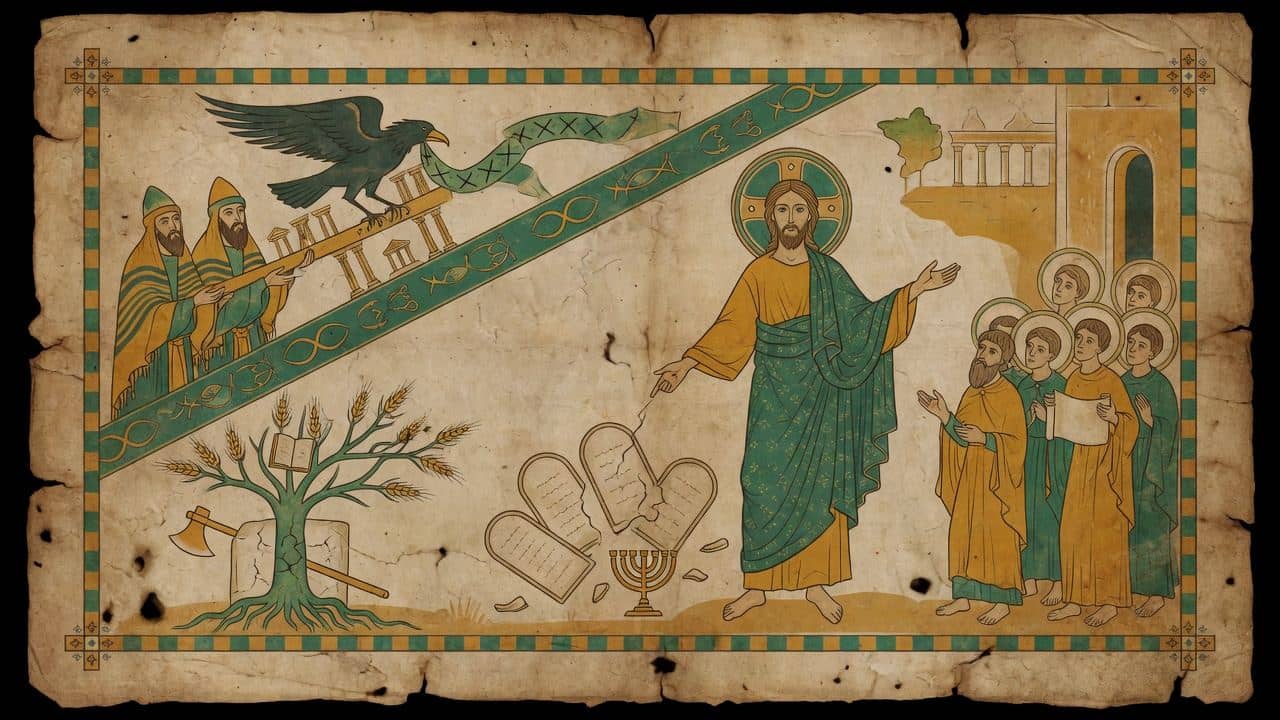
As therefore the Lord did nothing without the Father, being united to Him, neither by Himself nor by the apostles, so neither do ye anything without the and . Neither endeavour that anything appear reasonable and proper to yourselves apart; but being come together into the same place, let there be one prayer, one supplication, one mind, one hope, in love and in joy undefiled. There is one Jesus Christ, than whom nothing is more excellent. Do ye therefore all run together as into one temple of God, as to one altar, as to one Jesus Christ, who came forth from one Father, and is with and has gone to one.
Chapter VIII.—Caution against false doctrines.
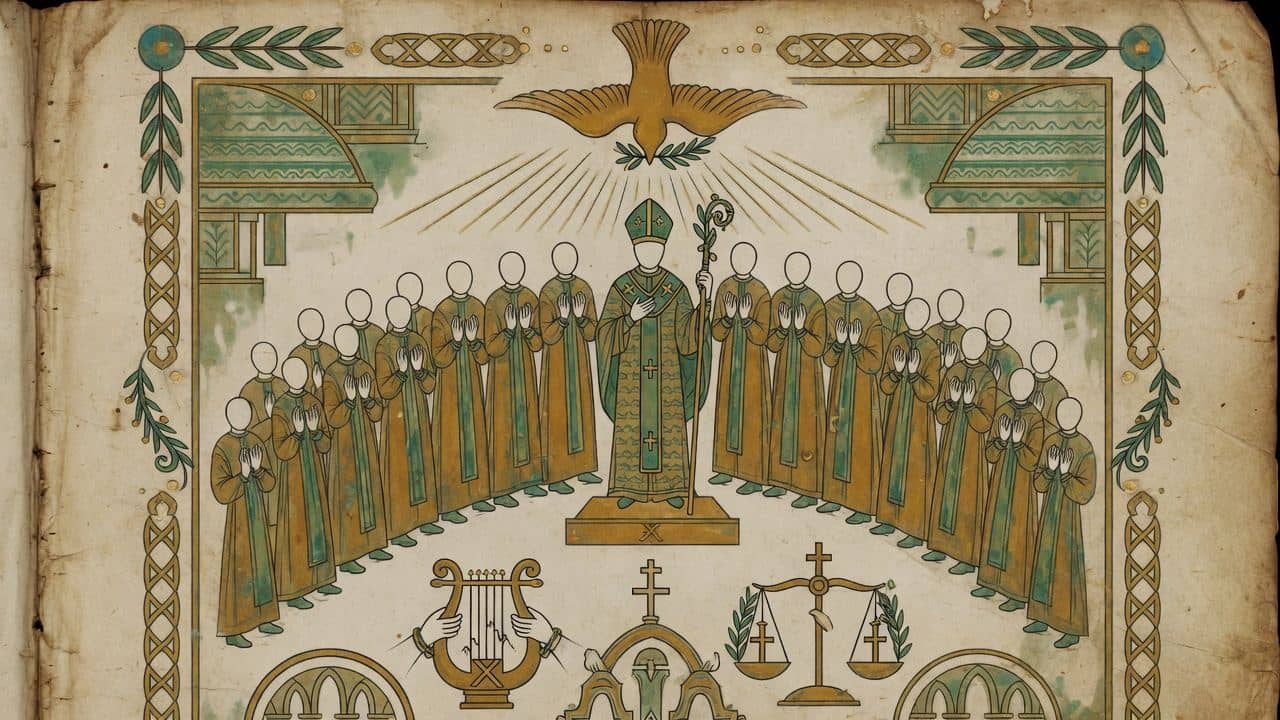
Be not deceived with strange doctrines, nor with old fables, which are unprofitable. For if we still live according to the Jewish law, we acknowledge that we have not received grace. For the divinest prophets lived according to Christ Jesus. On this account also they were persecuted, being inspired by His grace to fully convince the unbelieving that there is one God, who has manifested Himself by Jesus Christ His Son, who is His eternal Word, not proceeding forth from silence, and who in all things pleased Him that sent Him.
Chapter IX.—Let us live with Christ.
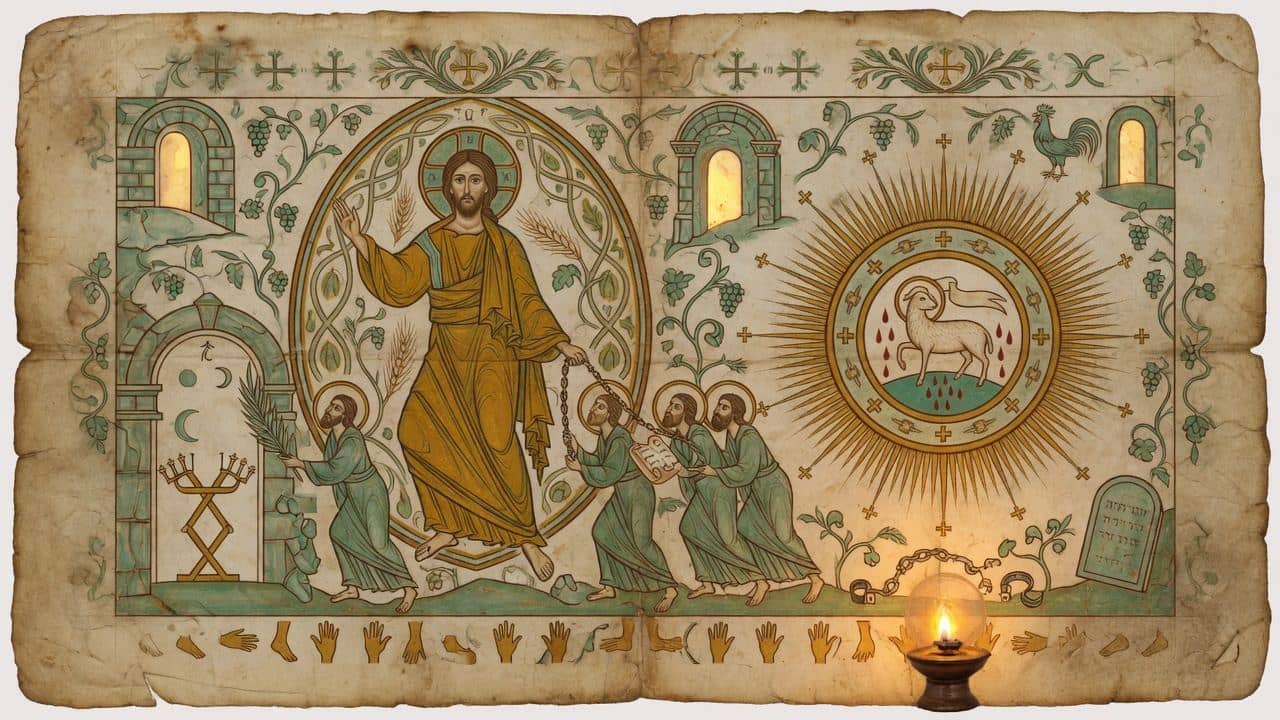
If, therefore, those who were brought up in the ancient order of things have come to the possession of a new hope, no longer observing the , but living in the observance of the Lord’s Day, on which also our life has sprung up again by Him and by His death—whom some deny, by which mystery we have obtained faith, and therefore endure, that we may be found the disciples of Jesus Christ, our only Master—how shall we be able to live apart from Him, whose disciples the prophets themselves in the Spirit did wait for Him as their Teacher? And therefore He whom they rightly waited for, being come, raised them from the dead.
Chapter X.—Beware of Judaizing.
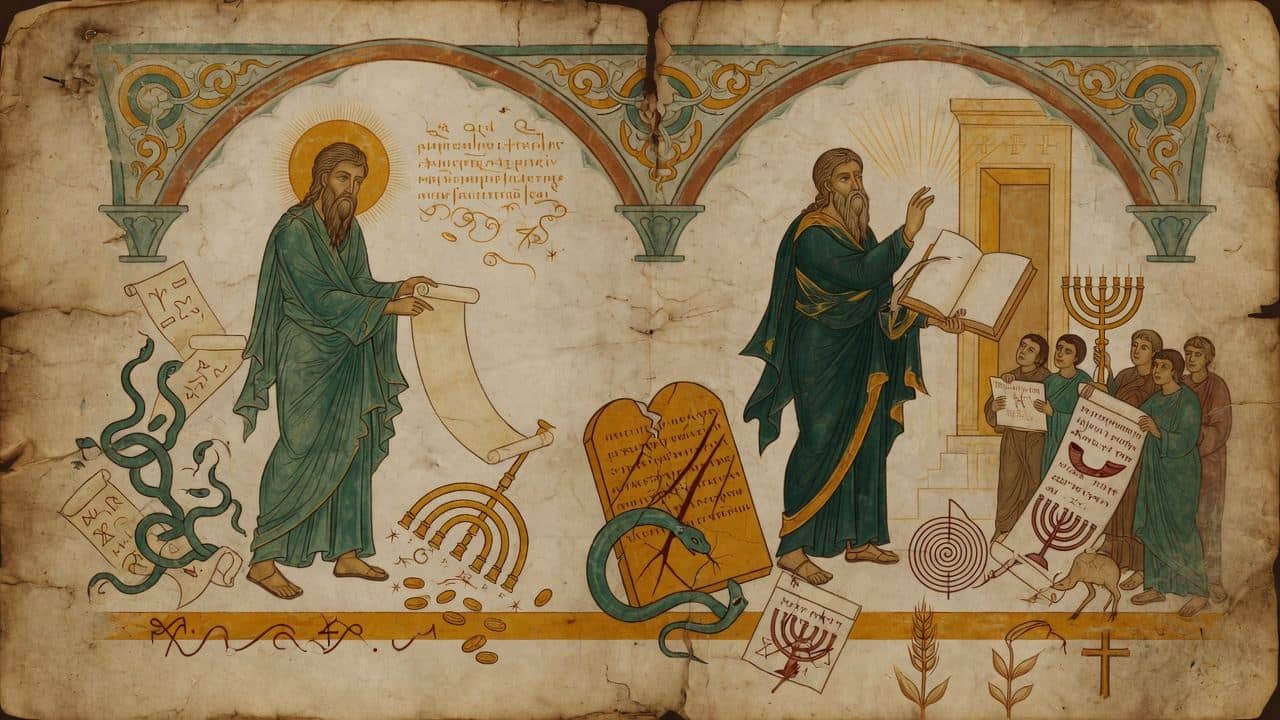
Let us not, therefore, be insensible to His kindness. For were He to reward us according to our works, we should cease to be. Therefore, having become His disciples, let us learn to live according to the principles of Christianity. For whosoever is called by any other name besides this, is not of God. Lay aside, therefore, the evil, the old, the sour , and be ye changed into the new leaven, which is Jesus Christ. Be ye salted in Him, lest any one among you should be corrupted, since by your savour ye shall be convicted. It is absurd to profess Christ Jesus, and to Judaize. For Christianity did not embrace Judaism, but Judaism Christianity, that so every tongue which believeth might be gathered together to God.
Chapter XI.—I write these things to warn you.
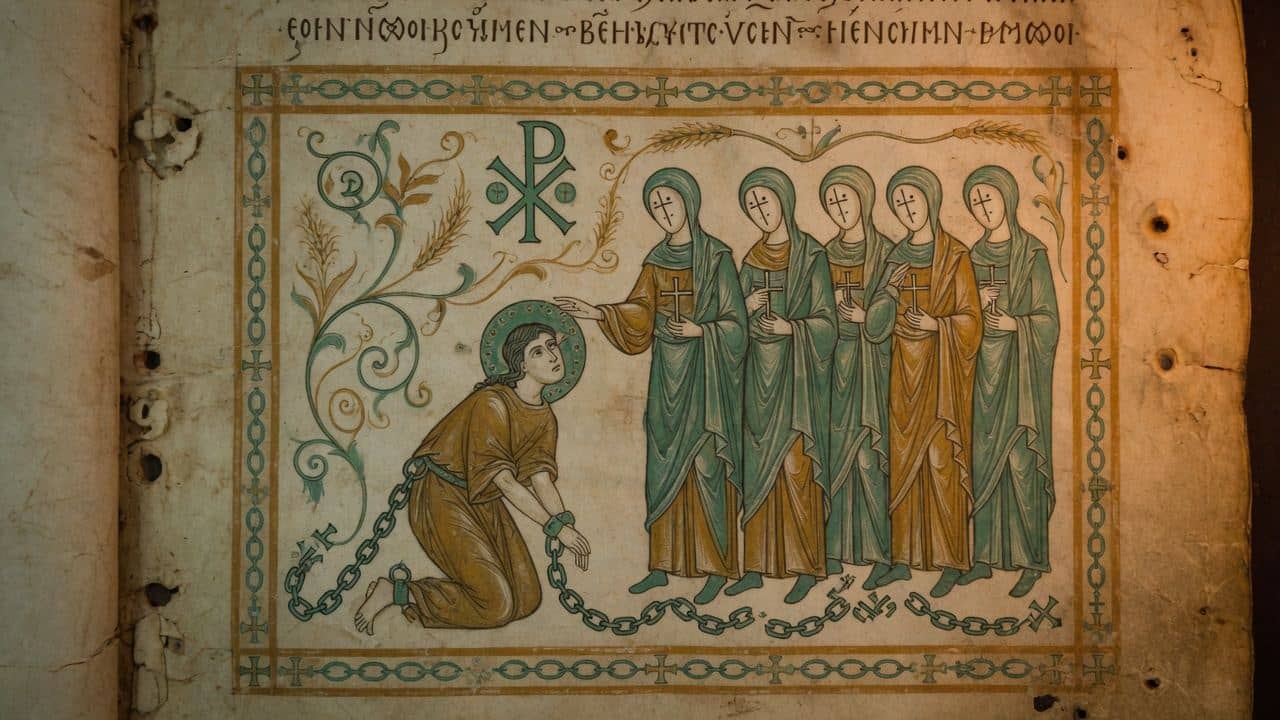
These things [I address to you], my beloved, not that I know any of you to be in such a state; but, as less than any of you, I desire to guard you beforehand, that ye fall not upon the hooks of vain doctrine, but that ye attain to full assurance in regard to the birth, and passion, and resurrection which took place in the time of the government of Pontius Pilate, being truly and certainly accomplished by Jesus Christ, who is our hope, from which may no one of you ever be turned aside.
Chapter XII.—Ye are superior to me.
May I enjoy you in all respects, if indeed I be worthy! For though I am bound, I am not worthy to be compared to any of you that are at liberty. I know that ye are not puffed up, for ye have Jesus Christ in yourselves. And all the more when I commend you, I know that ye cherish modesty of spirit; as it is written, “The righteous man is his own accuser.”
Chapter XIII.—Be established in faith and unity.
Study, therefore, to be established in the doctrines of the Lord and the apostles, that so all things, whatsoever ye do, may prosper both in the flesh and spirit; in faith and love; in the Son, and in the Father, and in the Spirit; in the beginning and in the end; with your most admirable , and the well-compacted spiritual crown of your , and the who are according to God. Be ye subject to the bishop, and to one another, as Jesus Christ to the Father, according to the flesh, and the apostles to Christ, and to the Father, and to the Spirit; that so there may be a union both fleshly and spiritual.
Chapter XIV.—Your prayers requested.
Knowing as I do that ye are full of God, I have but briefly exhorted you. Be mindful of me in your prayers, that I may attain to God; and of the Church which is in Syria, whence I am not worthy to derive my name: for I stand in need of your united prayer in God, and your love, that the Church which is in Syria may be deemed worthy of being refreshed by your Church.
Chapter XV.—Salutations.
The Ephesians from (whence I also write to you), who are here for the glory of God, as ye also are, who have in all things refreshed me, salute you, along with , the of the Smyrnæans. The rest of the Churches, in honour of Jesus Christ, also salute you. Fare ye well in the harmony of God, ye who have obtained the inseparable Spirit, who is Jesus Christ.